Guides & Study Aids
Reference material and quick-review guides for each class, in one place — separate from the timed quizzes.
AI-assisted. Built from your lecture slides and syllabus objectives. Spot an error? Report it
Clinical Medicine and Surgery I
Exam 1 · Dermatology 5
 Study Guide
Clinical Medicine and Surgery I Exam 1 Study Guide
Eight lectures. Clinical reasoning — sensitivity and specificity (SnNout/SpPin), pretest and posttest probability, screening versus diagnostic testing, VINDICATE and the naturalistic approach. Then the dermatology block: the skin-layer depth ladder that separates impetigo from erysipelas from cellulitis from necrotizing fasciitis, the eczema family, bullous pemphigoid against pemphigus, Stevens-Johnson syndrome and toxic epidermal necrolysis with SCORTEN, photodermatology, the bacterial infections with their antibiotic ladders, the infestations from scabies to tick-borne illness, the fungal and viral infections from tinea by body site through onychomycosis and pityriasis versicolor to varicella, herpes zoster with postherpetic neuralgia, herpes simplex, molluscum and warts, the benign lesions from corns to sebaceous hyperplasia with the full pressure injury staging system, and the pigmented lesions from freckles to dysplastic naevi. Now carries a photograph of every disease process — 131 images across the dermatology sections. Every syllabus objective, answered in order.
Study GuideCMS I Exam 1 Clin Med Pro Guide
Dr. Carter’s ten-field Clin Med Pro Study Tip answered for all 142 dermatology conditions, Lectures 2–9: definition, cause, who, risk factors, pathology, presentation, diagnosis, treatment and mortality, each from the slides with slide numbers. Filterable, one closed card per condition.
 Cram Sheet
Clinical Medicine and Surgery I Exam 1 Cram Sheet
The night-before condensation of Lectures 1–8: the two test properties and the probability chain, then the depth ladder, the eczema and bullous discriminators, SCORTEN and the drug list, phototoxic against photoallergic, the acne guideline ladder, the MRSA orals, the scabies and lice facts, spider and tick geography, the tinea sites and the two antifungal classes, the zoster phases with the 72-hour rule and the Shingrix schedule, keloid against hypertrophic scar on all seven counts, the six pressure injury stages, the vascular lesions sorted by whether they involute, and every pigmented lesion with the one thing that identifies it.
 Quick Reference
Dermatology Comparison Chart
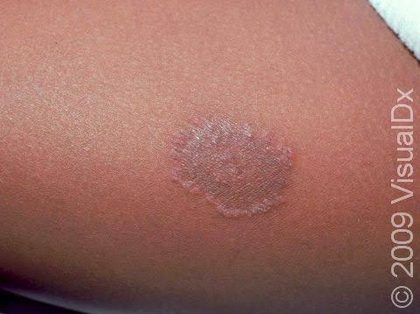
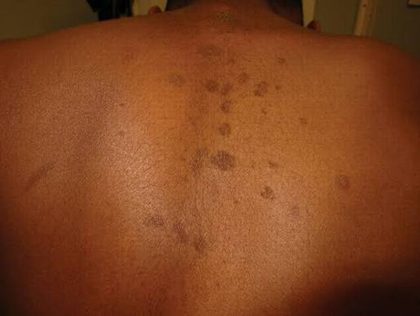
All 135 conditions from the Exam 1 dermatology block in one sortable table, read left to right: a picture from the slides, the name, the usual presentation together with how a patient actually describes it, the first test and the gold standard, first-line then second-line treatment, the labs to order if the disease process needs any, and the patient education. Filter by lecture, or read down a single column to compare across conditions — the first-test column shows at a glance how much of dermatology is a clinical diagnosis. Every cell comes from the lecture PowerPoints and every slide picture cites its deck and slide. The two conditions the decks never illustrate — phytophotodermatitis and chronic paronychia — carry a credited, openly licensed photograph instead; postherpetic neuralgia has none on purpose, being pain after the rash has healed.
 Quick Reference
Dermatology Staging & Grading Chart
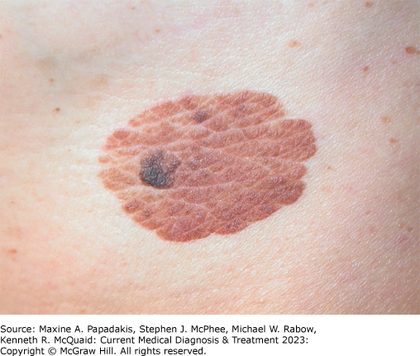
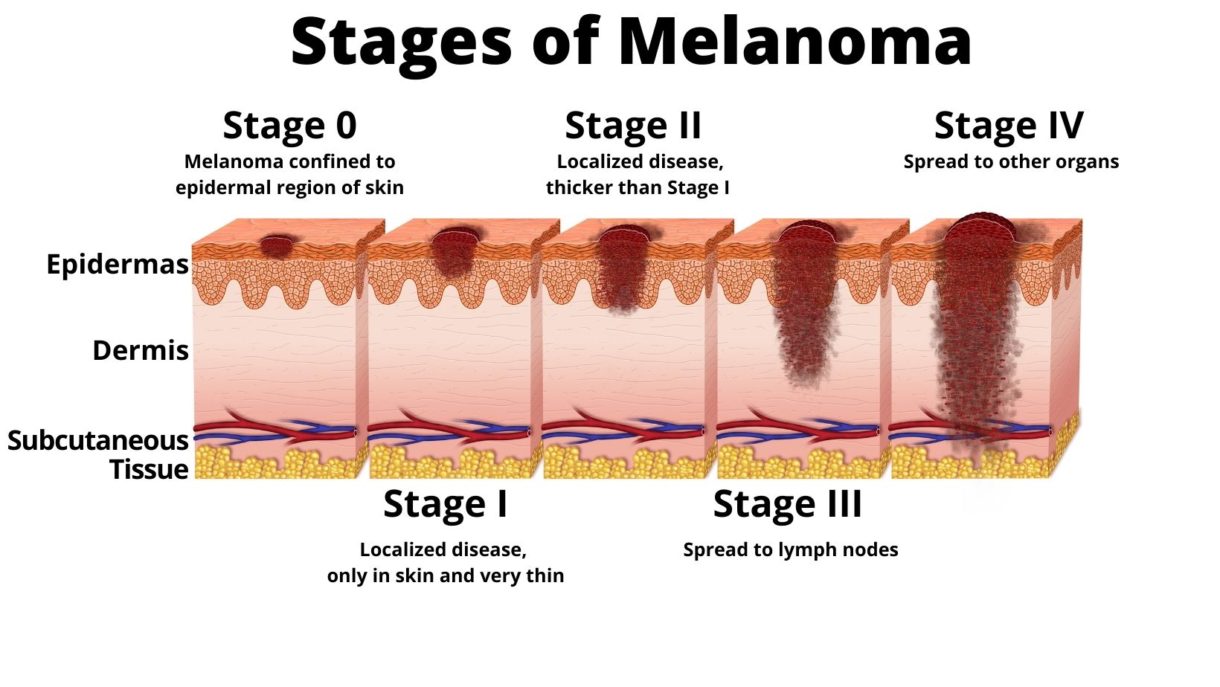
Every staged, graded or threshold system in the Exam 1 dermatology block in one place, now with a picture beside each one: the six pressure injury stages, sunburn by degree, Stevens-Johnson through toxic epidermal necrolysis by body surface area, SCORTEN with its seven variables and the mortality for each score, the Fitzpatrick skin types I–VI, the four epidermolysis bullosa types by depth of cleavage, the three Lyme stages, the three zoster phases, varicella’s several-stages-at-once rule, the four phases of wound healing, hemangioma and keratoacanthoma growth phases, the acute-subacute-chronic eczema stages, the corticosteroid potency ladder, acne severity to treatment, and all four melanoma systems — Clark levels, Breslow thresholds, overall stage 0 to IV and the TNM table — plus the 1 cm size cut-offs that decide macule from patch. Every picture enlarges on click. CMS decks only, each section citing its lecture and slide. Five of these systems exist in the decks only as pictures — the pressure injury table, Clark levels, the melanoma stage figure and the TNM table sit on slides whose text extracts as nothing at all, so they were read off the images and typed out.
Exam 2 · Ophthalmology 5
 Study Guide
Clinical Medicine and Surgery I Exam 2 Study Guide
The ophthalmology block. Opens with the red eye before you name it — the first-sixty-seconds sequence, the danger signs that stop the reflex diagnosis of conjunctivitis, and the pattern that localizes the problem to conjunctiva, cornea, anterior chamber, sclera or angle. Then the four diagnostic modalities, the eyelid disorders from entropion to xanthelasma, chalazion against hordeolum, the lacrimal pair sorted by gland versus sac, pinguecula against pterygium, the whole conjunctivitis family including gonococcal, chlamydial and trachoma with their exact regimens, episcleritis against scleritis on all six counts, keratitis and corneal ulcer with the herpes simplex dendrite against the zoster pseudodendrite, anterior against posterior uveitis, pre-septal against post-septal cellulitis, and an explicit emergent / same-day / urgent / routine disposition table. This is the management half — Clinical Pathophysiology covers the same conditions by mechanism. Where a slide reads as an absolute and its own speaker notes soften it, the hedge is written out.
Study GuideCMS I Exam 2 Clin Med Pro Guide
Dr. Carter’s ten-field Clin Med Pro Study Tip answered for all 84 ophthalmology conditions, Lectures 10–14, each field from the slides with slide numbers. Filterable, one closed card per condition.
 Cram Sheet
Clinical Medicine and Surgery I Exam 2 Cram Sheet
The night-before sheet for the ophthalmology block. Leads with how the exam is written and the red-eye triage in full — the two red flags, the danger-sign list, the localizing patterns, and the two exceptions to the sequence. Then every condition reduced to the one thing that identifies it and the one thing you do about it: tenderness for chalazion against hordeolum, corneal crossing for pinguecula against pterygium, papillae against follicles, the phenylephrine blanch, the cotton-tip test, the true dendrite against the pseudodendrite, a white eye against a red one for pre-septal against post-septal cellulitis, and the exact antibiotic regimens with their durations.
 Quick Reference
Ophthalmology Comparison Chart
All 31 conditions from the Exam 2 ophthalmology block in one filterable table, read left to right: the words a vignette will use to hand it to you, how it presents and what you find on examination, what to order and what causes it, what to give, how fast the patient has to be seen, and what you tell them. Filter by region — eyelid, lacrimal, surface, conjunctivitis, sclera, orbit, cornea, uvea — or read down a single column to compare across conditions. The “How fast” column is the ophthalmology-specific one: in dermatology the useful axis was first-line against second-line treatment, but here the decision that changes an outcome is the disposition. Where a slide reads as an absolute and its own speaker notes soften it, the hedge is what is written. Every condition the deck photographs carries its picture, cited to its slide — 27 of the 31 rows. Two of the deck’s own images are deliberately left out: slide 29’s hyphema and slide 27’s conjunctival intraepithelial neoplasia are captioned DDX on the slide itself, and putting either in a chart cell would claim it is what the condition looks like. Every one of the 31 now has a picture: the four with no slide image — gonococcal and neonatal chlamydial conjunctivitis, trachoma and autoimmune conjunctivitis — carry a credited, openly licensed photograph from elsewhere.
 Quick Reference
Ophthalmology Referral Urgency
Every condition in the Exam 2 ophthalmology block that needs ophthalmology sooner than a routine clinic slot — 57 of them — sorted by how fast, each with the finding that identifies it and the first thing to do. The tiers are not invented for this page: Lecture 10 closes on six slides of pure triage that the deck builds to and never revisits, and they are reproduced here in order — the first sixty seconds, completed before naming a diagnosis; the danger signs that mean this is not simple conjunctivitis; localizing by pattern; and the explicit four-tier disposition. 25 emergent, 6 same-day, 26 urgent, drawn from all five lectures. Two sections carry the things that are easiest to get wrong: the conditions that are routine until a trigger fires — where the diagnosis does not change, only the disposition — and the eight prohibitions each lecture states outright, including never dilating an eye when trauma is suspected, never removing a penetrating object, and never sending a patient home with topical anesthetic. Every urgency was checked slide by slide against all five decks. Where a lecture says only “refer” and never says how fast, the row says so instead of inventing an interval; and where a deck gives two different answers in two places — scleritis is urgent on its own slide and same day on the disposition slide, corneal ulcer is emergent on its own slide and same day on the disposition slide — both are printed, because which one you revised decides how you answer.
Exam 3 · Ear, Nose and Throat 4
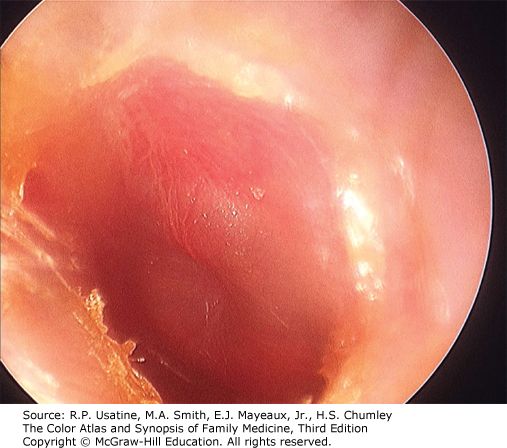 Study Guide
Clinical Medicine and Surgery I Exam 3 Study Guide
All five lectures are in. All 127 conditions from the ear, nose and throat block, each with the eight points the course asks for — presentation and who gets it, the pain/hearing-loss/examination triad, testing and cause, first-line treatment, and education and prognosis — plus 34 photographs and a referral-urgency badge on every condition. Opens Lecture 16 with Weber and Rinne rather than a disease, because four of that lecture’s seven syllabus objectives are about the TESTS, and because Professor Jaquith stopped mid-lecture to say a question on exactly that is on the paper — her worked vignette is reproduced in full, both directions round. Carries the two corrections Professor Griffenkranz made out loud that appear on no slide: most acute otitis media is viral, and Moraxella catarrhalis has overtaken Haemophilus influenzae because of vaccination. Objectives verbatim from the syllabus.
Study GuideCMS I Exam 3 Clin Med Pro Guide
Dr. Carter’s ten-field Clin Med Pro Study Tip answered for all 142 ear, nose and throat conditions, Lectures 15–19, each field from the slides with slide numbers. Filterable, one closed card per condition.
Cram SheetClinical Medicine and Surgery I Exam 3 Cram Sheet
The night-before sheet for the whole ear, nose and throat block — 98 rows across ten sections. Leads with the tests and the vertigo durations rather than a condition list, because Weber and Rinne is a syllabus objective in its own right and duration is the fastest way to sort the vertigo: seconds means positional, minutes to hours means Ménière’s, days to weeks means labyrinthitis or vestibular neuronitis — and the one word between those last two is whether hearing is affected. The sort-the-block lists are generated from the comparison chart, not typed twice, so what counts as conductive, sensorineural or emergent cannot drift between the two pages.
Quick Reference
ENT Comparison Chart
All five lectures are in — 127 conditions. Every condition from the ear, hearing and balance, nose, neck and oral cavity lectures in one filterable table, read left to right: the words a vignette will use to hand it to you, how it presents and what you find on examination, what to order and what causes it, what to give, how fast the patient has to be seen, and what you tell them. The middle column is the type of hearing loss, and that is the change from the ophthalmology chart. Ear disease does not separate on laterality — nearly everything here is one-sided — so conductive against sensorineural takes its place, which is the axis Weber and Rinne exist to answer and the one that sorts almost every row. Filter to just the conductive causes, just the sensorineural ones, or just the painful ones, and read down. Otitis externa against otomycosis against malignant otitis externa; chalky retracted drum against bulging against bubbles behind it; the vertigo that lasts seconds against minutes to hours against days. Every picture cites its lecture as well as its slide, because the two decks number their slides independently — and three of them come from slides carrying no words at all, resolved against the slide before them rather than guessed at. Nineteen rows have no picture on purpose: there is nothing to photograph in ototoxicity, Ménière’s or vestibular neuronitis, and a cell showing a bottle of ear drops would not tell you what the disease looks like.
Exam 4 · Cardiology I 3
CMS I Exam 4 Study Guide
The whole cardiovascular block, Lectures 20–25: Hypertension (Jaquith), then Carter's Hypotension, Atherosclerosis & Lipid Disorders, Valvular Heart Disease, Coronary Artery Disease and Heart Failure. Each Carter section opens with his own statement of what is and is not tested (no dosing, no mechanism, generic names, lipids on the 2018 guideline, heart failure on the 2022 guideline), the syllabus objectives verbatim, and the eight points for every condition, with his emphasis starred: the orthostatic heart-rate “big tell”, a garbage-system memory aid for the lipoproteins above the lipoprotein detail, familial hypercholesterolemia homozygous vs heterozygous, the 2018 statin decisions, the systolic vs diastolic chain, natriuretic peptide cut-offs, the murmur words, the troponin numbers from the slide shown in class, the lead-to-artery chart, and a box of every place the heart failure deck differs from the 2022 wording.
Study GuideCMS I Exam 4 Clin Med Pro Guide
Dr. Carter’s ten-field Clin Med Pro Study Tip for all 74 cardiology conditions, Lectures 20–25. Heart failure follows the 2022 guideline and lipids the 2018 one, as tested. The valvular and coronary lectures carry their in-class corrections and rulings.
Cram SheetCMS I Exam 4 Cram Sheet
The night-before condensation of all six lectures: hypertension classification, causes and treatment; the orthostatic criteria with the heart-rate tell, reflex syncope and the drug-to-condition match; the lipid memory aid, genetic dyslipidemias, which drug for which lipid and the 2018 statin groups; the murmur words; the troponin numbers, lead-to-artery chart and STEMI timings; and the 2022 heart failure groups, stages, natriuretic peptide cut-offs and therapy by ejection fraction.
Exam 5 · Cardiology II 3
CMS I Exam 5 Study Guide
Cardiology block II so far: Shah's Venous Disorders (with the Virchow triad and the Wells criteria, the two things she stressed hardest, starred), then Carter's Arterial Occlusive Disease & Aortic Aneurysm and Cardiomyopathy. Syllabus objectives verbatim, every place the slides disagree with themselves, and the eight points for every condition — deep vein thrombosis and its work-up, chronic venous insufficiency, claudication by level, the ankle-brachial index bands, acute limb ischemia categories, carotid and aneurysm thresholds, dissection, and the five cardiomyopathies with the hypertrophic murmur maneuvers. Lectures 26 and 28 are built from the slides plus the lecture recordings (Carter’s emphasis on cardiomyopathy is starred, with recording times); Lecture 27 is slides only until its audio arrives after 10/01.
Study GuideCMS I Exam 5 Clin Med Pro Guide
The ten-field Clin Med Pro Study Tip for the 21 conditions of Lectures 26–28 (Shah’s seven venous conditions, Carter’s fourteen), slide-cited, with the fields the decks leave empty marked as such.
Cram SheetCMS I Exam 5 Cram Sheet
The night-before condensation of Lectures 26–28: the Virchow triad and Wells criteria, deep vein thrombosis, chronic venous insufficiency, varicose veins, thrombophlebitis and arteriovenous fistulas, then peripheral artery disease and the ankle-brachial index, acute limb ischemia, carotid disease, aneurysm sizes and repair, dissection, and dilated, hypertrophic, restrictive and stress cardiomyopathy plus myocarditis.
Microbiology
Exam 1 3
 Study Guide
Microbiology Exam 1 Study Guide
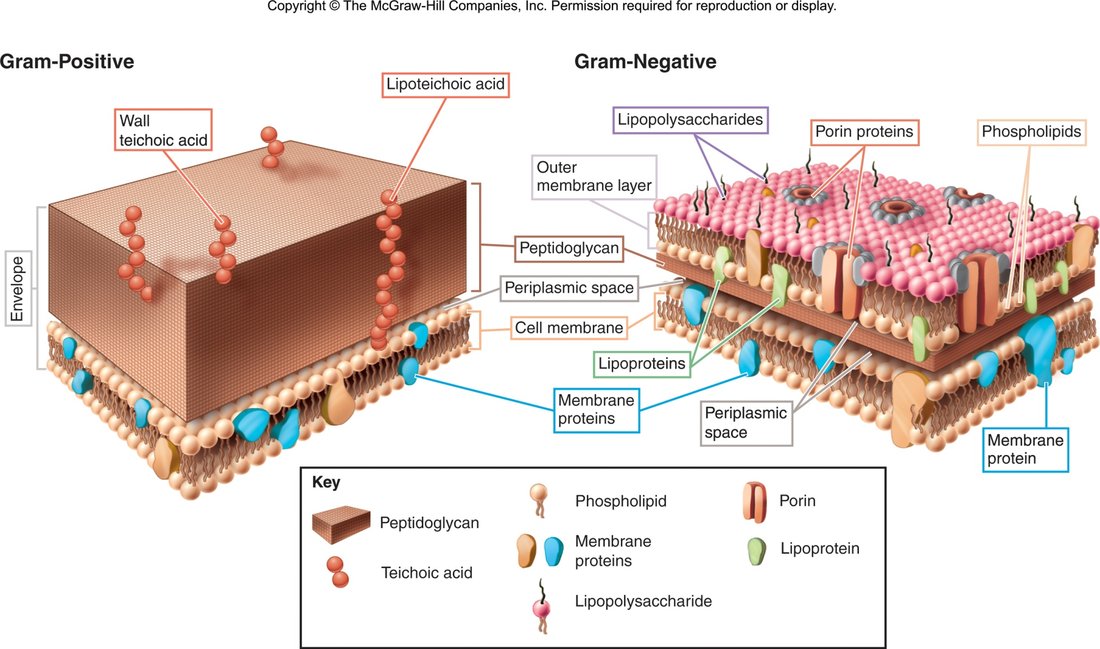
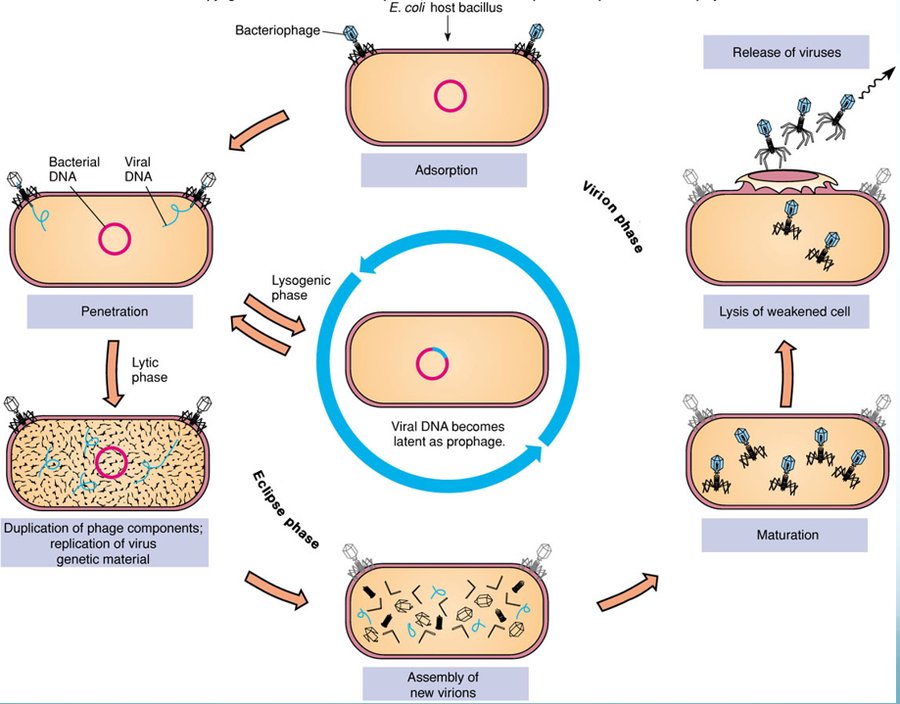
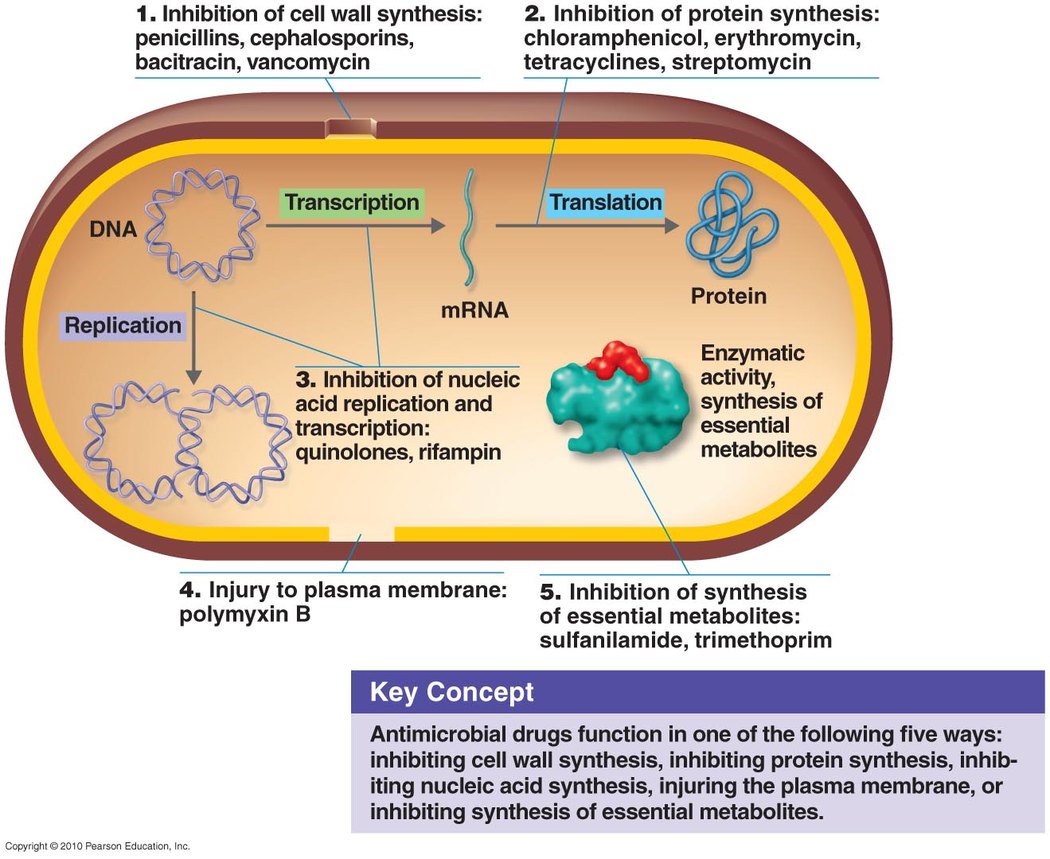
All six Exam 1 lectures. Review of General Microbiology — pathogen types from bacteria to prions and viroids, bacterial structures, the Gram stain with a labeled cell wall comparison, culture media, the growth and death curves, phage versus animal virus replication, mutations and microbial control. Antibiotics and Resistance — the history from Ehrlich to Waksman, drug selection criteria, the therapeutic index, every major drug line with its producing organism, the five mechanisms of action, and resistance from genetic mechanisms through biofilms. Then Microbe-Human Interactions, Transmission of Microorganisms, Host Defenses and The Acquisition of Specific Immunity. Every syllabus objective, in order.
 Exam Review
Microbiology Exam 1 — Professor Webster’s Review
What she actually told the class to study, from the end-of-class review on 11 September. Her instructional objectives walked one at a time, with the questions she asked and the answer to each from the slides. Three objectives she said to skip, and one calculation she confirmed is examinable. Every item carries her own weighting and her words next to it. Covers Lectures 1, 2 and 5 — the three she taught.
 Cram Sheet
Microbiology Exam 1 Cram Sheet
The night-before condensation of all six Exam 1 lectures: pathogen types, bacterial structures, the Gram stain, both curves and the phage cycles, then every drug line with its producing organism, the five mechanisms of action, the resistance mechanisms and the high-yield direct toxicities, then flora and infection, transmission, the three lines of defense and specific immunity.
Exam 2 2
 Study Guide
Microbiology Exam 2 Study Guide
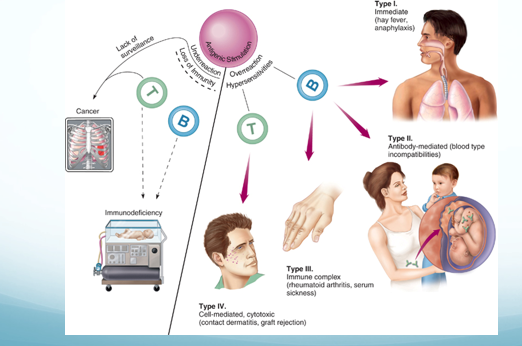
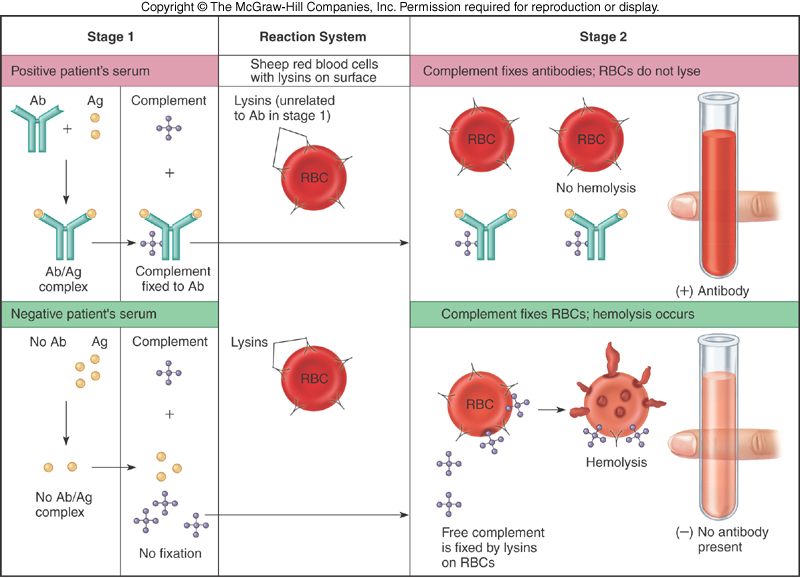
Lectures 7 and 8 so far. Disorders in Immunity — the four immunopathologies, the four hypersensitivities built around the one summary table the lecture said to learn, type I from sensitizing dose to anaphylaxis and epinephrine, allergy diagnosis and desensitization, transfusion reactions and Rh, graft types and the rejection timeline, autoimmunity, primary against secondary immunodeficiency, carcinogenesis and every immunotherapy strategy. Diagnosing Infections — phenotypic, genotypic and immunological identification, culture media, sensitivity testing, serology, the four blots, complement fixation, fluorescent antibodies and immunoassays. Every syllabus objective, verbatim and in order, with what the recordings flagged and what they said to skip.
 Cram Sheet
Microbiology Exam 2 Cram Sheet
The night-before condensation of Lectures 7 and 8: what the lecturer flagged and what to skip, the four hypersensitivity types, type I and its management, transfusion and Rh, rejection by type, autoimmunity and immunodeficiency, cancer and immunotherapy, then the three diagnostic categories, the media, and the serological tests.
Pharmacology I
Exam 1 11
 Study Guide
Pharmacology I Exam 1 Study Guide
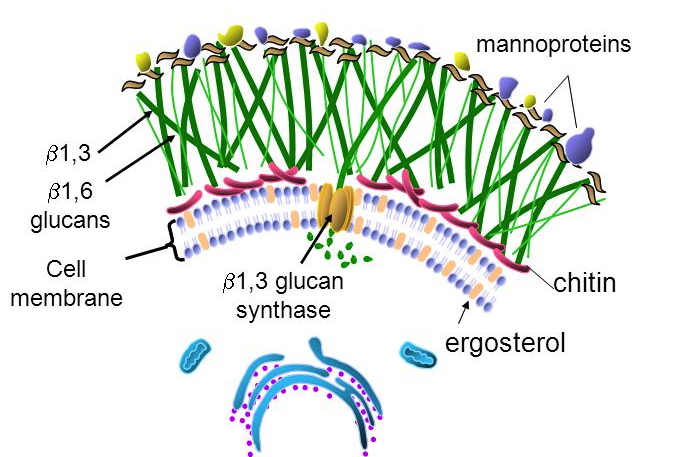
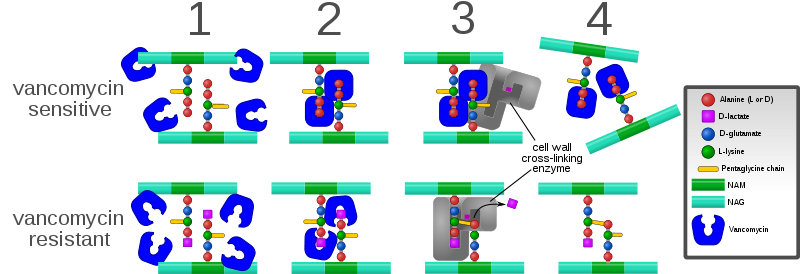
Lecture 1, Antibiotics, Antivirals and Antifungals — all fifteen antibiotic classes, the three antiviral groups and the five antifungal classes, organized class-before-agent. Covers the antimicrobial basics, bacteriostatic versus bactericidal, concentration- versus time-dependent killing, every mechanism with six figures including the bacterial-target map and the fungal cell envelope, and the polymyxin black box warnings. All nine printed syllabus objectives, verbatim and in order. Drug dosages are not tested.
 Cram Sheet
Pharmacology I Exam 1 Cram Sheet
The night-before condensation of Lecture 1: seven topics and sixty-two rows covering the static-versus-cidal lists, every beta-lactam subclass, vancomycin monitoring, the ribosomal binders, the black box warnings, all four antiviral agents with the 48-hour window, and the two-question method for sorting any antifungal.
Quick ReferencePharmacology I Exam 1 Indications & Patient Education
What each drug is for, and what you tell the patient — 89 entries across all three Exam 1 decks, each citing its slide. The twelve indications Lecture 1 calls “drug of choice” outright are flagged green, since that phrase is the most directly answerable thing in the deck. Carries the counseling points that get asked: the 48-hour oseltamivir window, Afrin’s three-day rebound-congestion limit, tyramine with a monoamine oxidase inhibitor, why benzoyl peroxide inactivates tretinoin, and the 12 months a toenail takes. No dosages — Dr. Wood does not test them.
Quick ReferencePharmacology I Exam 1 Side Effects
68 entries grouped by the system the effect hits, because that is how a stem gives it to you. Surfaces the four patterns that repeat across unrelated classes and are therefore the most askable: QT prolongation and Torsades, ototoxicity with nephrotoxicity, Stevens-Johnson and toxic epidermal necrolysis, and hypokalemia with hypomagnesemia. Each row pairs the effect with what to monitor.
Quick ReferencePharmacology I Exam 1 Contraindications
Every contraindication, prohibition and named reaction across all three Exam 1 decks in one place — 68 entries, each citing its slide. Named reactions are bold and underlined: Red Man Syndrome, disulfiram-like reaction, serotonin syndrome, malignant hyperthermia, epinephrine reversal, first-dose syncope, the anticholinergic toxidrome. Separate tables for pregnancy and teratogenicity and for the three age limits (30 days, 8 years, 18 years). Rows are tiered so a stated caution is never dressed up as a contraindication. Built after Dr. McInnis’s email that contraindications are under-studied.
Quick ReferencePharmacology I Exam 1 — Autonomic Receptor Chart
Alpha-1, alpha-2, beta-1, beta-2, muscarinic and nicotinic on one page: where each receptor sits, what it does, and every drug in the lecture that turns it on or off. Opens with the whole thing in six lines to memorize, then one card per receptor reading left to right in the order the lecturer said to think — where → what happens → which drugs. The deck has no table like this: it teaches the receptors on four slides, the organ actions as a figure, and the drugs one at a time across nearly a hundred more. Leads with the two that catch people. Alpha-1 and alpha-2 pull in opposite directions and the number is not what decides it — alpha-1 sits on the target organ so stimulating it squeezes, alpha-2 sits on the nerve ending before it so stimulating it turns the whole outflow down, which is why phenylephrine raises blood pressure and clonidine lowers it. And beta-2 is why “non-selective” matters: propranolol, timolol and nadolol close airways. Every drug is filed under its class — direct-acting catecholamines, direct-acting synthetics, indirect-acting, mixed-action, the selective and non-selective blockers, those with partial agonist activity, and the combined alpha and beta agents — because the answer choices give you a drug name and the skill is putting it back in its bin. Carries DUMBBELS and the M-T-W-H-F days-of-the-week nicotinic list, plus the lecture’s own organ-by-organ figure with sympathetic in red and parasympathetic in blue. Every card cites its slides.
Quick ReferencePharmacology I Exam 1 — Cholinergic Drug Chart
The drug-side companion to the receptor chart. 18 agents across five groups — direct-acting agonists, the cholinesterase inhibitors, the antimuscarinics, the ganglionic blockers and the neuromuscular blockers — each read as what it does at the receptor → what it is used for → what to watch for, with its slide. Opens with the five pairs that actually get confused, because almost every hard question in this half of the lecture is two drugs that look interchangeable and are separated by exactly one axis: bethanechol against carbachol (does it hit nicotinic too), physostigmine against neostigmine (the blood–brain barrier — the axis Dr. Wood built a review answer on), edrophonium against pyridostigmine (diagnose against maintain), non-depolarizing against depolarizing blockade (whether a cholinesterase inhibitor can reverse it), and atropine at low against high dose, where the same drug slows then speeds the same heart. Also carries the things that are easy to lose in the slide order: antimuscarinics do not touch nicotinic receptors, nicotine stimulates at low concentration and blocks at high, succinylcholine is broken down by plasma pseudocholinesterase so a genetic deficiency means prolonged apnea, and malignant hyperthermia is treated with dantrolene.
Quick ReferencePharmacology I Exam 1 — Gram Coverage by Drug Class
All 26 antibiotic classes on one screen: does it cover gram-positives, gram-negatives, anaerobes — and which way it leans. Eight lean gram-positive, four lean gram-negative, thirteen cover both equally, and one covers neither because it is anaerobes-only. None of these are my judgments. Most class slides carry a small traffic-light table and this page reads the color of the circle under each heading straight out of the deck, so every cell is the lecturer’s own verdict with its slide number beside it. Leads with the generation rule the cephalosporin block turns on — gram-negative cover improves and gram-positive is given away as you climb, except fourth generation, which breaks the trade-off, and fifth, where MRSA cover appears. Filter to just the gram-positive agents, just the gram-negative ones, or just what hits anaerobes. This is the axis Dr. Wood said at the exam review that he actually tests: not which drug treats one named organism, but which of four agents would cover the bug in front of you.
Quick ReferencePharmacology I Exam 1 — Killers, Commons and Zebras
Asked at the exam review which adverse effects to focus on, Dr. Wood did not give a list — he gave three buckets and told the class to sort everything into them. Killers mean immediate discontinuation and are what you warn a patient about in advance, so they do not decide skin sloughing off is normal. Commons belong to the group, not the drug — asked whether penicillins, cephalosporins and carbapenems need learning separately he said “no, they’re all the same”, so they are listed by group and the effort goes where a class breaks the pattern. Zebras are uncommon but unique to one drug, and each is worth about a question. 7 killers, 6 groups of commons, 9 zebras, every one citing its slide. The nine effects he named himself are badged as his; the rest are the decks’ own adverse effects sorted by his criteria, so you can check each against the slide beside it. The companion to the drug-by-drug side-effects chart — that one is shaped for looking something up, this one is shaped the way the question comes.
Quick ReferencePharmacology I Exam 1 — What Dr. Wood Told You to Star
From the recordings, not the slides — the decks never say which facts he weights, and he told the class outright. He states his own emphasis marker, then says “notable” 45 times in Lecture 1 alone with 22 explicit instructions to star or underline. Covers his four standing rules (QT prolongation, MRSA coverage, teratogenic drugs, and the three-day rebound rule), four complete test-question shapes he handed over (hotel air-conditioning pneumonia is always Legionella; red head-to-toe after a 30-minute infusion is vancomycin; retained tampon with septic shock is clindamycin, because it binds the toxin; and acne that failed benzoyl peroxide for irritation goes to a topical retinoid), what he said about how he writes the test, and all 35 drugs he flagged. Also where the time actually went — every topic in all three lectures ranked by minutes spent, measured from the recordings, because he said outright that time spent is his own signal for what he writes questions about. 48 quotes, each with its timestamp.
Quick ReferencePharmacology I Exam 1 — Dr. Wood’s Exam Review Session
The companion to the page above, from the review session held the evening before the paper — the class asking questions and him answering. A review session is the one recording where a lecturer says what is and is not being asked, and he did: eleven standing scope rules and twelve answered questions, each quoted with its timestamp. He told them the paper’s shape — five questions per scheduled lecture hour, so 15 from the first deck and 15 from the second (he talked himself between 40 and 45 for the total and is quoted hedging, not tidied up). He cut scope out loud: skip the infectious-disease indications, which come with pulmonology later; know instead which bugs an agent covers — MRSA, Pseudomonas, Clostridioides difficile — and whether it hits anaerobes or atypicals. Dermatology is the stated exception. Do not memorize numbers; he supplies any value in the stem and asks why you check it — the vancomycin trough must sit high, the gentamicin trough must be undetectable, and knowing which is which is the question. Learn by class, but answer by drug name: most of his items come down to four named drugs you must place back in their bin. Plus the “killers, commons and zebras” framework for every adverse effect, the full acne ladder to isotretinoin, flaccid paralysis as phase two of succinylcholine, blood–brain barrier penetration as what separates physostigmine from neostigmine, how he builds distractors so two right answers never appear together, and the habit he begged them twice to break — do not change your answers.
Exam 2 · Lectures 4–8 19
Start here The guide, the cram sheet, the game plan, what the lecturers said to star, the three adverse-effect buckets and the filled-in drug chart
Study GuidePharmacology I Exam 2 Study Guide
Lectures 4 to 8: ophthalmic drugs, ear, nose and throat drugs, antihypertensives, the lipid-lowering drugs and the drugs for myocardial ischemia (antianginals, acute coronary syndrome and fibrinolytics). Every lecture opens with its syllabus objectives verbatim and with what Dr. Wood says is not examined; starred boxes mark what he emphasized in the Lecture 6, 7 and 8 recordings (hyperkalemia, the dihydropyridine split, the heart-failure beta blockers, the resin triglyceride cut-offs, the four statin benefit groups, prevention against quick relief in angina, and the nitrate and phosphodiesterase-5 danger). The lipid section carries the “garbage system” memory aid, with every drug given a job in it.
Cram SheetPharmacology I Exam 2 Cram Sheet
Twenty-six topics, 171 rows across Lectures 4 to 8. Each lecture opens with what is not on the exam, then the rows that decide questions: amoxicillin and its substitutes, aspirin against ibuprofen, first- against second-generation antihistamines, rebound congestion, the ACE inhibitor against receptor-blocker switch, the calcium channel blocker split, the beta-blocker groups, the hypertension algorithm, statin CYP3A4 interactions, which lipid class moves which lipid, and the angina drugs: the nitrate and phosphodiesterase-5 danger, the non-dihydropyridine against dihydropyridine split, and what fibrinolytics are for.
Quick ReferencePharmacology I Exam 2 — Game Plan
A study strategy for the last three days: how to learn pharmacology so it is still there on Monday, eight color-coded visual maps (the exam at a glance, one for each lecture, and posters for black box warnings and contraindications), five drug-by-use charts that list every drug for every use (every drug for cytomegalovirus retinitis, for allergic conjunctivitis, for high triglycerides and so on), an hour-by-hour Friday to Monday schedule that links to the quizzes and charts, blank templates to redraw each map and chart from memory, 114 rapid-fire prompts, a Monday cheat page, and a printable PDF.
Quick ReferencePharmacology I Exam 2 — What They Told You to Star
From the recordings, not the slides: 116 moments across Lectures 4 to 8 where the lecturer said what would be tested, wrote a test question out loud, or drew a scope line, each quoted with its lecture and timestamp.
Quick ReferencePharmacology I Exam 2 — Killers, Commons and Zebras
Dr. Wood’s three buckets applied to Lectures 4 to 8: the adverse effects that need immediate discontinuation, the common ones listed by class, and the zebras unique to one drug. 117 entries.
Quick ReferencePharmacology I Exam 2 — Drug Study Chart
Your blank Pharmacology Drug Study Chart, filled in for Lectures 4 to 8: 61 drug classes, each with its generic names, mechanism of action, indications, contraindications, adverse effects and a black box or special warning. Printable PDF in the same landscape layout as your form.
Look up a drug One row per drug, each citing its slide
Quick ReferencePharmacology I Exam 2 Indications & Patient Education
What each drug is for, and what you tell the patient — 244 entries across Lectures 4 to 8 (eye, ear/nose/throat, blood pressure, lipids, angina and acute coronary syndrome), each citing its slide. Includes the stepwise hypertension algorithm (what is added next) and the statin intensity table.
Quick ReferencePharmacology I Exam 2 Side Effects
127 entries grouped by the system the effect hits, each citing its slide, with black box warnings shaded first: ACE inhibitor and angiotensin receptor blocker fetal harm, abrupt beta blocker withdrawal, minoxidil, nitroprusside and ketoconazole.
Quick ReferencePharmacology I Exam 2 Contraindications
When not to give each drug — 119 entries, each citing its slide and tiered by the strength of the slide’s own wording, so a caution is never dressed up as a contraindication.
Compare and drill down Class comparisons and the eye drugs
Quick ReferencePharmacology I Exam 2 Ocular Drug Reference
Every agent in the lecture — 30 entries across eight groups, each citing its slide — with indication, patient education, side effects and contraindications placed before mechanism, because mechanism is the part already over-weighted. Opens with the one item he promised to ask (rebound hyperemia, the two-week limit and the 72-hour review point) and the four things he took off the table. Carries the effects specific enough to name a drug: aminoglycoside corneal ulceration, the ciprofloxacin white precipitate, the fluoroquinolone taste, the carbonic anhydrase bitter taste and sting, and the prostaglandin lash and iris changes. No doses — Dr. Wood does not ask for them.
Quick ReferencePharmacology I Exam 2 — Antihypertensive Class Comparison
Every antihypertensive class side by side: how it lowers pressure, what it does to heart rate and potassium, when to reach for it, its signature adverse effect and when to avoid it.
Quick ReferencePharmacology I Exam 2 — Lipid Drug Comparison
Statins, ezetimibe, bile acid sequestrants, fibrates, niacin and PCSK9 inhibitors with their effect on low-density lipoprotein, high-density lipoprotein and triglycerides (the numbers from the slides), signature adverse effects and cautions.
Quick ReferencePharmacology I Exam 2 — ENT Drug Chart
Which ear, nose and throat drug for which problem, with the two warnings to know cold: aspirin and Reye syndrome and the acetaminophen liver warning.
Quick ReferencePharmacology I Exam 2 — Antihistamine Comparison
Ten antihistamines side by side — duration, sedative, antiemetic and anticholinergic effects — from a table on the ENT slides that is a picture. First generation against second generation, and why cetirizine, fexofenadine and loratadine suit a patient who drives.
Quick ReferencePharmacology I Exam 2 — Histamine Receptor Actions
Where the H1 and H2 receptors sit and what histamine does at each (vessels, heart, airways, gut, gastric acid, itch) — the reason antihistamines work.
Quick ReferencePharmacology I Exam 2 — Non-Selective Beta Blockers Compared
The first-generation beta blockers by membrane-stabilizing activity, lipid solubility (which predicts central nervous system effects) and intrinsic sympathomimetic activity.
Quick ReferencePharmacology I Exam 2 — Direct Vasodilators Compared
Hydralazine, minoxidil and nitroprusside: what each dilates and how strong the reflex tachycardia and sodium retention are.
Quick ReferencePharmacology I Exam 2 — Antianginal Drug Comparison
Beta blockers, the two calcium channel blocker types, short- and long-acting nitrates, ACE inhibitors and aspirin side by side: what each does to heart rate, contractility and wall tension, where it fits, what to avoid, and what to tell the patient.
Quick ReferencePharmacology I Exam 2 — Acute Coronary Syndrome Drugs
Aspirin, nitrates, beta blockers, morphine, the fibrinolytics and the other antithrombotics in one chart, with what each is for in ST-elevation against non-ST-elevation disease and the cautions that decide a question.
Exam 3 · Lectures 9–13 11
Start here The guide, the cram sheet, and what the lecturer said would be tested
Study GuidePharmacology I Exam 3 Study Guide
Lecture 9 so far: diuretics and heart failure drugs (loop, thiazide, potassium-sparing, aldosterone antagonist and carbonic anhydrase inhibitor diuretics; ACE inhibitors, beta blockers, digoxin, inotropes, ivabradine, sacubitril-valsartan and SGLT2 inhibitors). Opens with the syllabus objectives verbatim; starred boxes mark what Dr. Wood emphasized, a nephron memory aid ties the diuretics together, and Deck versus truth boxes flag where the slides and current pharmacology disagree. Lectures 10 to 13 are added as they are delivered.
Cram SheetPharmacology I Exam 3 Cram Sheet
Eleven topics and 82 rows for Lecture 9 (more are added as Lectures 10 to 13 arrive): what Dr. Wood stressed, the nephron, each diuretic class, heart failure and the rows that decide questions — symptom relief against survival, what every drug does to potassium, the three beta blockers, digoxin toxicity and its electrolyte risks, milrinone against dobutamine, metolazone, plus a closing “Deck versus truth” topic.
Quick ReferencePharmacology I Exam 3 — What They Told You to Star
From the recording, not the slides: 46 moments in the diuretics and heart failure lecture where Dr. Wood said what matters, gave a rule (a drug that helps survival is mandatory, one that only relieves symptoms is not), or drew a scope line, each quoted with its timestamp.
Look up a drug One row per drug, each citing its slide
Quick ReferencePharmacology I Exam 3 Indications & Patient Education
What each diuretic and heart failure drug is for, and what you tell the patient — 60 entries, each citing its slide.
Quick ReferencePharmacology I Exam 3 Side Effects
51 entries grouped by the system the effect hits, each citing its slide, with black box warnings shaded first: loop diuretic volume depletion, potassium-sparing hyperkalemia, ACE inhibitor and sacubitril-valsartan fetal harm and abrupt beta blocker withdrawal.
Quick ReferencePharmacology I Exam 3 Contraindications
When not to give each drug — 32 entries, each citing its slide and tiered by the strength of the slide’s own wording.
Compare and drill down Class comparisons and Dr. Wood’s three adverse-effect buckets
Quick ReferencePharmacology I Exam 3 — Killers, Commons and Zebras
Dr. Wood’s three buckets applied to the diuretics and heart failure drugs: what needs immediate attention, the common effects by class, and the zebras unique to one drug. 38 entries.
Quick ReferencePharmacology I Exam 3 — Diuretics Compared
The five diuretic classes side by side by site on the nephron: mechanism, potency, what each does to potassium, calcium and uric acid, uses, adverse effects and interactions.
Quick ReferencePharmacology I Exam 3 — What Each Drug Does to Potassium
Which heart failure and diuretic drugs lower potassium, which raise it, and which are risky together — the one thing Dr. Wood said you must know about every drug.
Quick ReferencePharmacology I Exam 3 — Heart Failure Drugs Compared
Ten drug groups with a symptoms-only or survival? column: place in therapy, key adverse effects, what to avoid, monitoring and education.
Quick ReferencePharmacology I Exam 3 — Digoxin: Action, Toxicity and Antidote
Mechanism, benefit without survival gain, toxicity by system (the yellow-green halos), the electrolyte risk factors, contraindications and digoxin immune Fab.
Principles of Diagnostic Medicine I
Exam 1 3
 Study Guide
Principles of Diagnostic Medicine I Exam 1 Study Guide
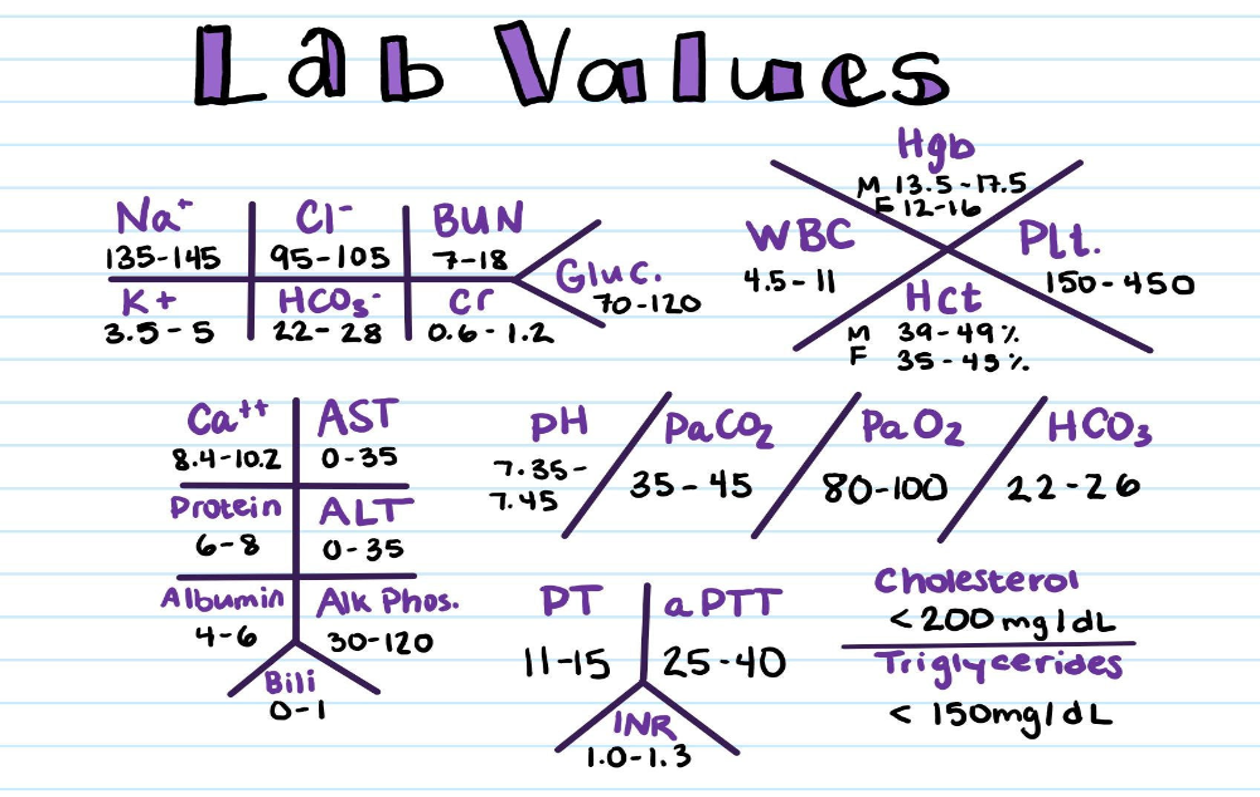
Lectures 1 and 2. Laboratory diagnostics — the pretest, intratest and posttest phases and where errors actually happen, the order of draw with the four tube pairings worth knowing cold, stool, blood, sputum and throat studies, point-of-care testing with its CLIA regulation, and the statistics: sensitivity, specificity, predictive values, prevalence and pre-test probability. Medical imaging — every modality with what it is for and what it cannot do, radiographic density and the Hounsfield scale, T1 against T2, the projections and the three planes, radiation dose, and contrast media with the checks before you give each one. Nine figures from the slides, two of which are the only place their content appears in the deck. All twenty-four syllabus objectives, verbatim and answered in order. Opens with how Professor Reynolds said this course is examined, quoted from the lecture — including that reference ranges are always supplied and that she will not make you calculate a predictive value.
 Cram Sheet
Principles of Diagnostic Medicine I Exam 1 Cram Sheet
The night-before condensation: thirteen topics and seventy-four rows, opening with what you do not have to memorize. Then the phases, Stop-Light-Red-Stay-Put-Green-Light-Go, the specimen rules, the point-of-care menus and CLIA categories, and SnNout against SpPin with the frostbite worked example — followed by the imaging half: the modalities at a glance, the Hounsfield numbers, T1 against T2, positioning and the planes, organ radiation doses, and the contrast agents with their contraindications.
Quick ReferencePDM Exam 1 — Most Likely Tested
The ranked one, and the only page here that deliberately leaves things out. It opens with what to stop studying — the animal hearing ranges, the magnetic resonance machine-strength point, memorizing reference ranges, calculating a filtration rate — each with the lecturer’s own words and a timestamp. Then all six lectures sorted NEAR-CERTAIN, LIKELY, POSSIBLE, with the evidence for every call: what was said out loud, how much lecture time it got, and which syllabus objective it answers. 94 rows.
Exam 2 3
 Study Guide
Principles of Diagnostic Medicine I Exam 2 Study Guide
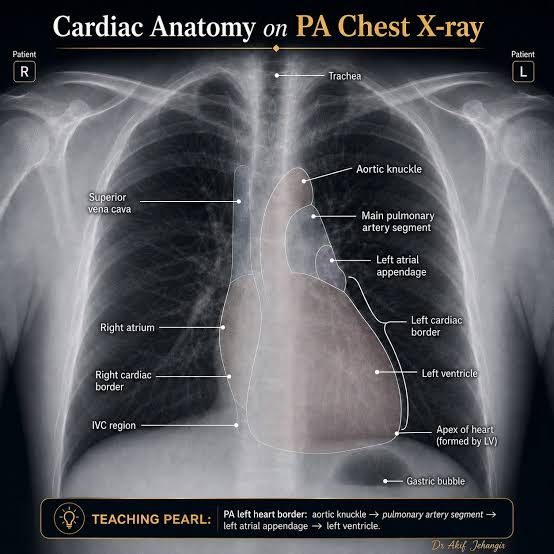
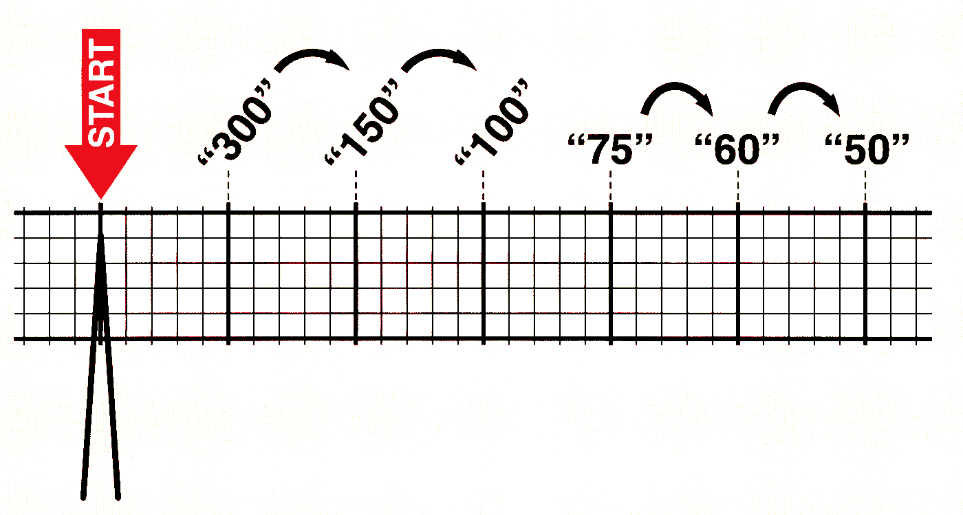
Lectures 7, 8, 9 and 10. Electrocardiography: the five phases, the refractory periods, the conduction system with its intrinsic rates, paper and calibration, bipolar and unipolar leads, which leads look where, the two rate methods, and every normal wave and interval. Cardiac imaging: the silhouette on a posteroanterior film, the cardiothoracic ratio, and each modality's indications and limits, from transesophageal contraindications to the 85% rule and the gold standard. Cardiac biomarkers and lipids: troponin, natriuretic peptides, creatine kinase and C-reactive protein; lipoproteins, lipoprotein(a), and measured against calculated panel values. Coagulation and hemostasis testing: the three phases and the seven defined terms, every platelet, PT, INR, aPTT, thrombin time, fibrinogen and D-dimer test, mixing studies, the two algorithms, and the pattern tables typed from their pictures. 27 figures from the slides, sixteen of them the only copy of their slide's content. All syllabus objectives, verbatim and answered in order, with the lecturers' own emphasis quoted.
 Cram Sheet
Principles of Diagnostic Medicine I Exam 2 Cram Sheet
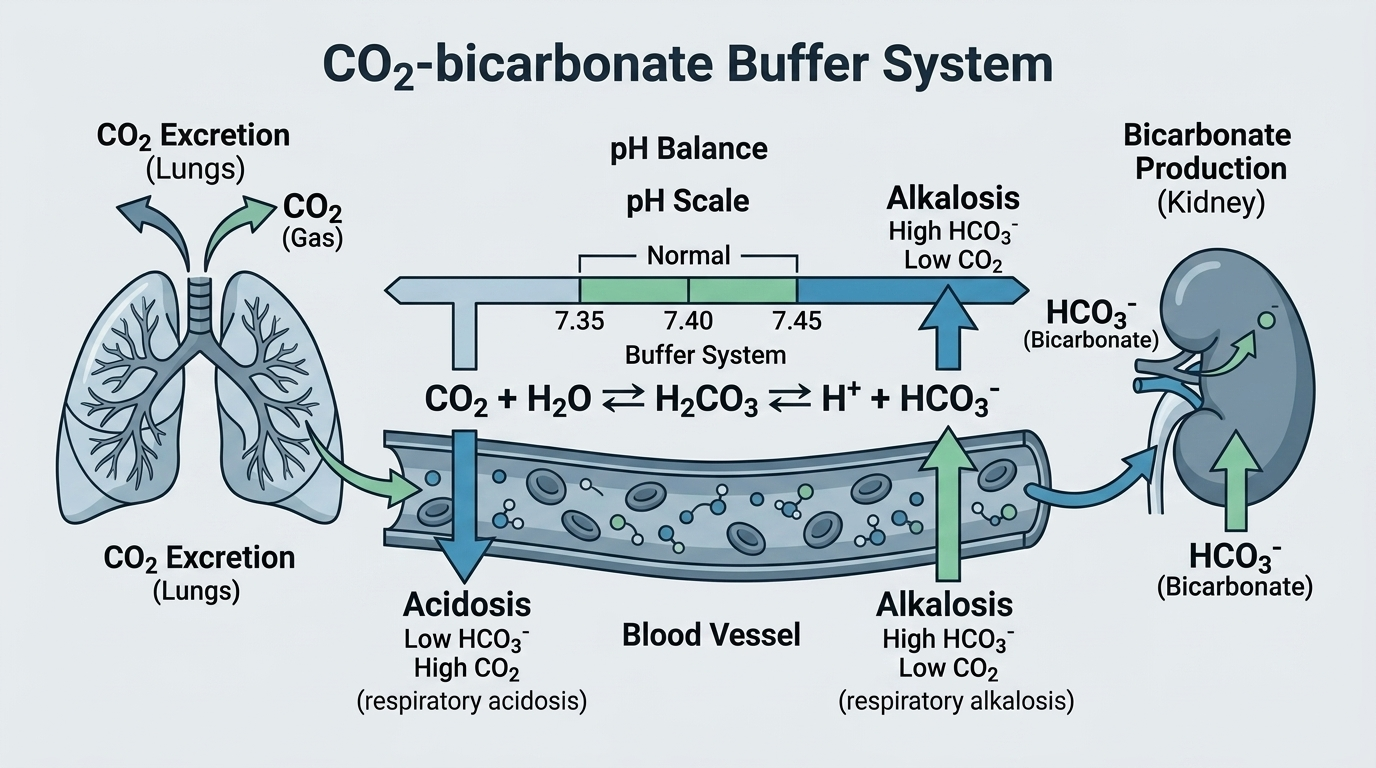
The night-before condensation: twenty-one topics and one hundred fifty-two rows, opening with what was said NOT to be examined. The action potential and conduction system, paper, leads and rate, the normal intervals; the chest radiograph, echo and stress testing, nuclear, computed tomography and magnetic resonance, angiography and vascular ultrasound; the four biomarkers and when to order each, lipoproteins, reading a lipid panel, and risk assessment; and the coagulation tests, their patterns, platelet findings and the two workups.
Quick ReferencePDM Exam 2 — Coagulation Tests Reference Chart
Every coagulation and hemostasis test in one chart: what it measures, its pathway, its reference value and what an abnormal result suggests. Then the pattern grids typed from the slide pictures (disseminated intravascular coagulation, heparin, hemophilia, von Willebrand disease, liver disease, platelet disorders), the two algorithms step by step, and the platelet count tiers. Every value from the lecture deck, slide cited on each row.
Physical Diagnosis 2
Exam 1 · 30 September 2
 Study Guide
Physical Diagnosis 2 Exam 1 Study Guide
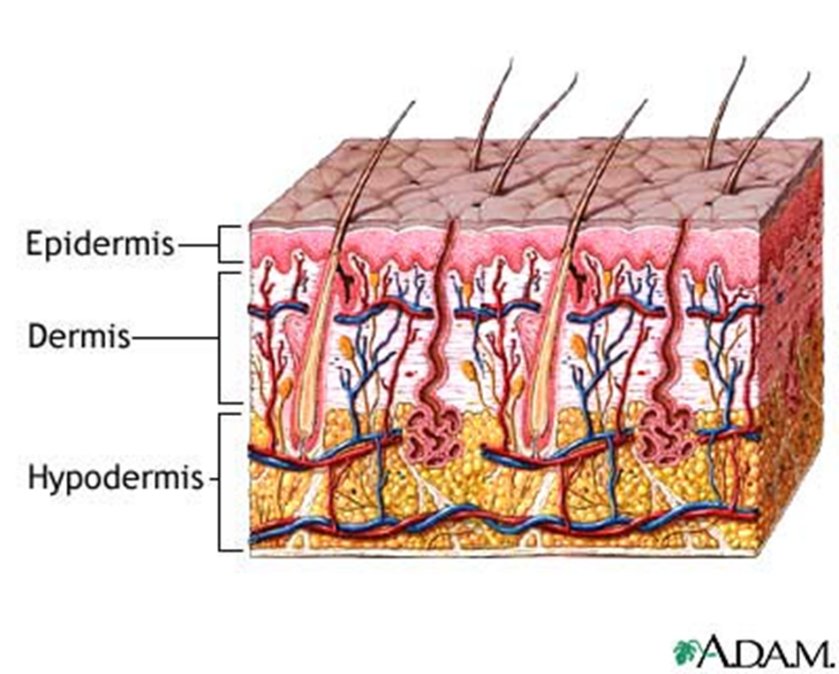
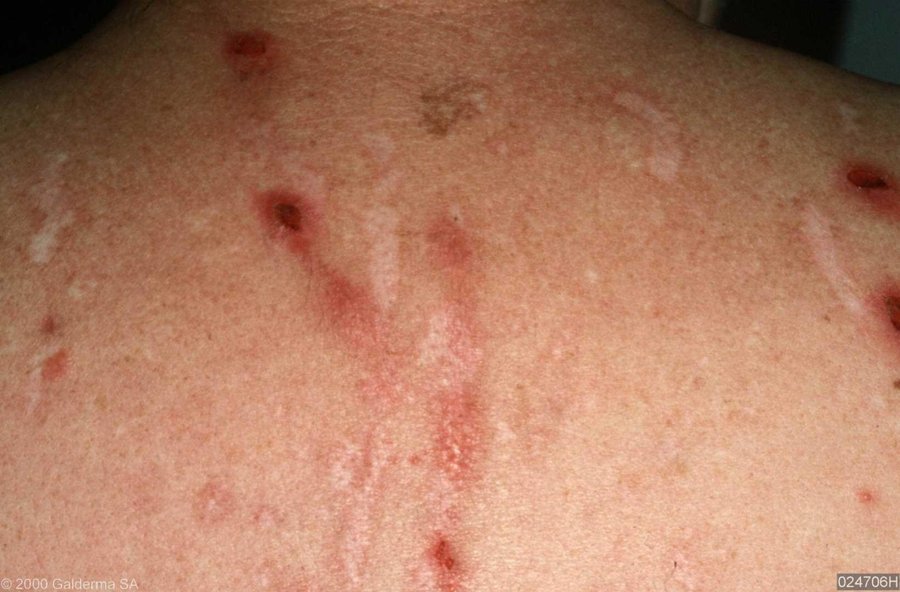
Lectures 1 and 2 — the oral case presentation and what makes one good, comprehensive versus focused (both the history and the examination are narrowed), the history and physical against the subjective-objective-assessment-plan note, and the documentation rules that cost marks. Then Dermatology: skin structure and function, the full descriptive vocabulary of distribution, configuration and primary and secondary morphology, the abnormal findings of skin, hair and nails, and the examination technique itself. All syllabus objectives for both lectures, verbatim and answered in order. 43 figures from the lecture slides — every primary and secondary lesion, the vascular lesions with diascopy, all four pressure ulcer stages side by side, the tinea patterns, the skin malignancies, and the nail findings — each cited to its slide. Ophthalmology and ENT are added as those decks are posted.
 Cram Sheet
Physical Diagnosis 2 Exam 1 Cram Sheet
The night-before condensation: six topics and forty-seven rows covering the presentation and documentation rules, the three one-centimeter morphology pairs, erosion versus ulcer, all four pressure ulcer stages, the melanoma letters, the three causes of patchy hair loss told apart, and every nail finding with what it points to.
Exam 2 · 20 November 4
 Study Guide
Physical Diagnosis 2 Exam 2 Study Guide
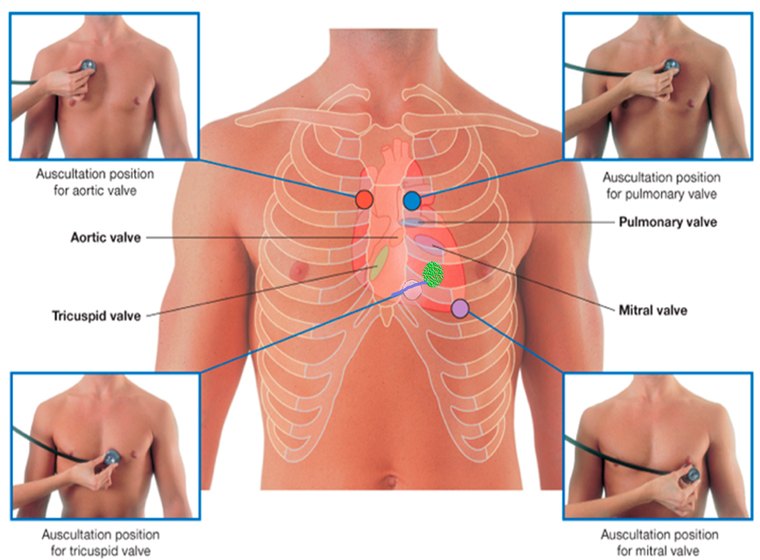
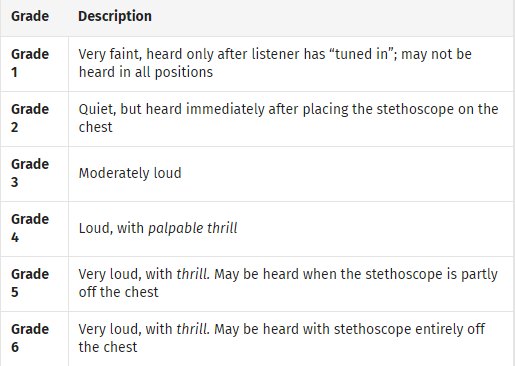
Lecture 5, the advanced cardiovascular and peripheral vascular examination. It covers the cardiac history, the cardiac cycle and every extra sound (splitting, ejection sounds, clicks, S3, S4 and the opening snap), and the apical impulse with its left and right ventricular patterns. It explains why each listening area is where it is, and which end of the stethoscope to use. It shows how to describe and grade a murmur, sets all eleven lesions side by side, and covers the maneuvers, then the peripheral vascular examination: arterial versus venous insufficiency, pulses, bruits, the Allen test, the ankle brachial index, Homans sign and pitting edema. All twelve syllabus objectives are quoted verbatim and answered in order. 59 figures come from the lecture slides, each cited to its slide. The ★ marks show what the lecturer repeated. Pulmonary and hematology are added as those decks are posted.
 Cram Sheet
Physical Diagnosis 2 Exam 2 Cram Sheet
The night-before condensation, with eleven topics and eighty-five rows. It opens with what the lecture kept coming back to. Then come every heart sound and gallop, the impulse patterns, the Levine grades, all eleven murmurs in one table (timing, pitch, loudest point, radiation and maneuvers), the maneuver rules, arterial versus venous insufficiency, the ankle brachial index values and the pitting edema grades.
Quick ReferencePhysical Diagnosis 2 Exam 2 — Heart Sound & Murmur Listening Guide
Twenty-two recordings you can play — normal S1 and S2, splitting, click, S3, S4, opening snap, and the systolic and diastolic murmurs — each with what to listen for and the lecture slide that teaches it. The companion to the listening quiz.
Quick ReferencePhysical Diagnosis 2 Exam 2 — Special Maneuvers
Valsalva, standing, squatting, raised legs and hand grip — what each does to preload and afterload, and to aortic stenosis, mitral valve prolapse and hypertrophic cardiomyopathy. The class handout as written, checked against the lecture.
ENT OSCE · 16 September 3
ENT OSCE Study Guide
The conditions behind the station, each on the same rows — what you’ll hear, the examination, the two differentials you are deciding between and what separates each, the testing, the treatment, and the thing to actually say in the room. Sixteen condition cards across ear, nose and throat, nine Don’t Miss diagnoses, and four Tell Them Apart tables that put the look-alikes side by side, plus the tuning fork and tympanogram patterns, the causes of sensorineural loss, and Centor. Every line is tagged to the lecture deck and slide it came from, or to the practice guideline where the slides are silent; the differentials are shared with the ENT OSCE Disease Chart so the two cannot drift apart.
Quick ReferenceENT OSCE Run-Sheet — 16 September
The whole station in order, not just the maneuvers: the introduction, the focused history of present illness with associated ear, nose and throat symptoms, focused review of systems and background history, vital sign interpretation, the full ENT examination from otoscopy through the cervical node chains, then differentials, studies with justification, diagnosis, treatment plan with patient education, and the one-minute case presentation. 123 items, each tagged spoken or hands-on, with the exact words to say. Ticks persist and it prints.
Quick ReferenceENT OSCE Disease Chart
The run-sheet’s companion: all 127 ear, nose, throat, neck, thyroid and oral conditions in three tiers, routine first (55), then urgent (54), then emergent (18). For each one — how the patient describes it in their own words, what you see on inspection, the physical exams that rule it in or out, the top three differentials with what separates each, the tests and what a positive actually looks like, treatment with referral urgency, and patient education. Filter by region.
Clinical Pathophysiology I
Exam 1 2
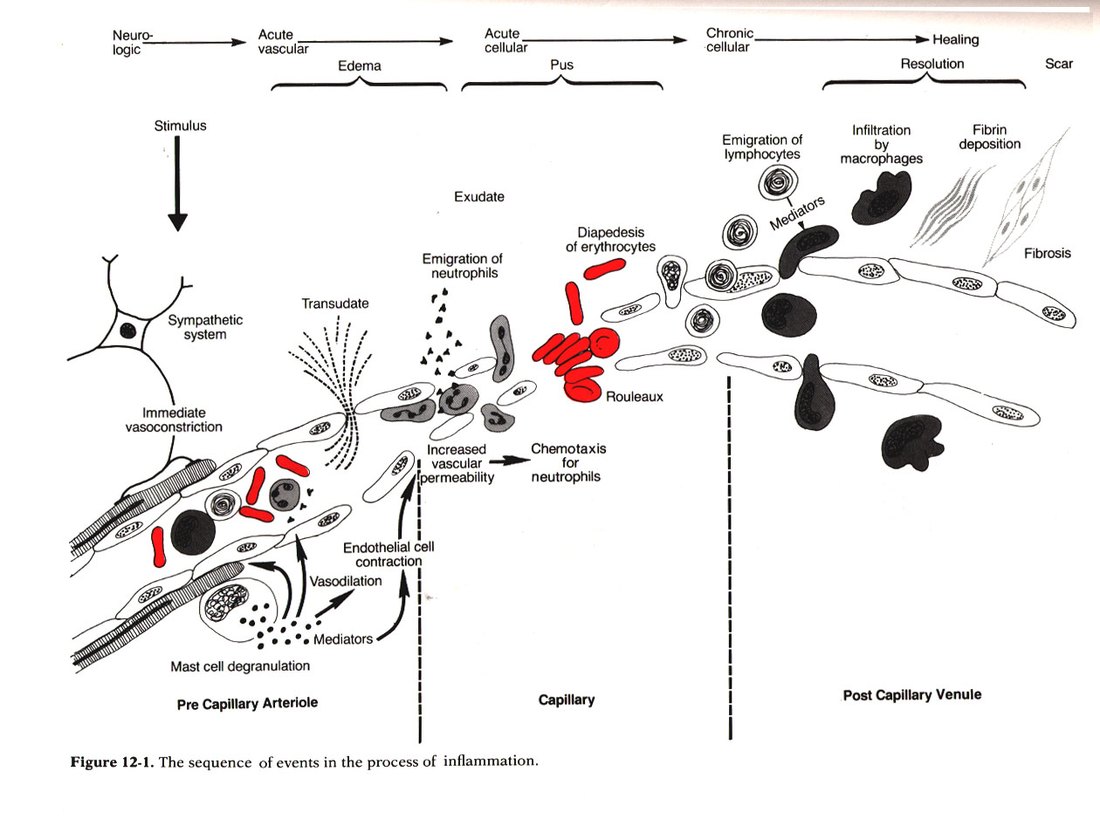 Study Guide
Clinical Pathophysiology I Exam 1 Study Guide
Three lectures. Inflammation — the vascular causal chain, acute versus chronic and the three causes of chronicity, all eight patterns from serous to gangrenous, every leukocyte with its nucleus and granules, the nine-step sequence, and the mediators and opsonins with the biomaterial pearl. Dermatology — integumentary anatomy and the pathophysiology of the primary and secondary lesions. Abnormal cell growth — the seven non-neoplastic abnormalities sorted into three groups, the dysplasia-to-invasion spectrum and the basement membrane that defines it, grading by differentiation, the three routes of spread, the mesenchymal-versus-epithelial naming rule, the four categories of gene alteration, the five microbes with their exact mechanisms, heredity, and TNM. Every syllabus objective, answered in order. Mechanism throughout, never management — that is the line between this course and Clinical Medicine and Surgery.
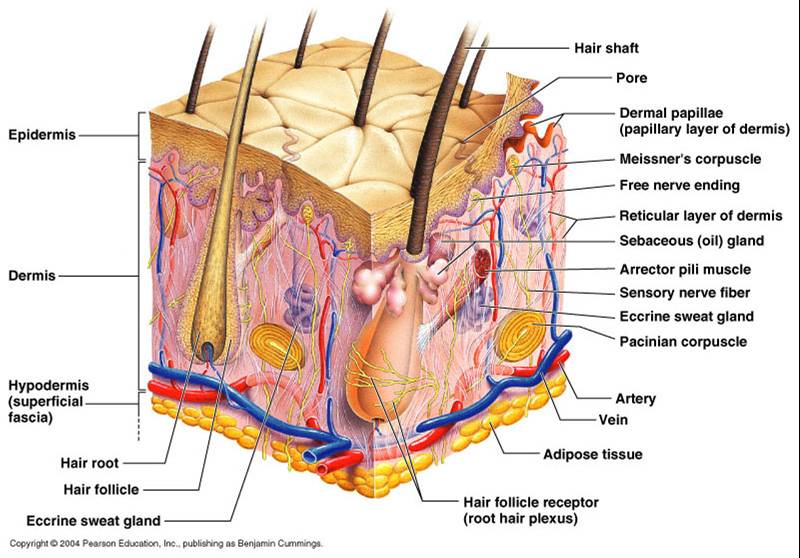 Cram Sheet
Clinical Pathophysiology I Exam 1 Cram Sheet
The night-before condensation of all three lectures: definitions and the vascular chain, acute versus chronic, all eight inflammation patterns side by side, every white blood cell, the nine-step sequence, the mediators with what discriminates each, the dermatology lesion mechanisms, and then abnormal cell growth — agenesis through dysplasia, benign against malignant, the naming rule, the four gene-alteration categories, the microbial mechanisms, and the whole TNM system.
Exam 2 2
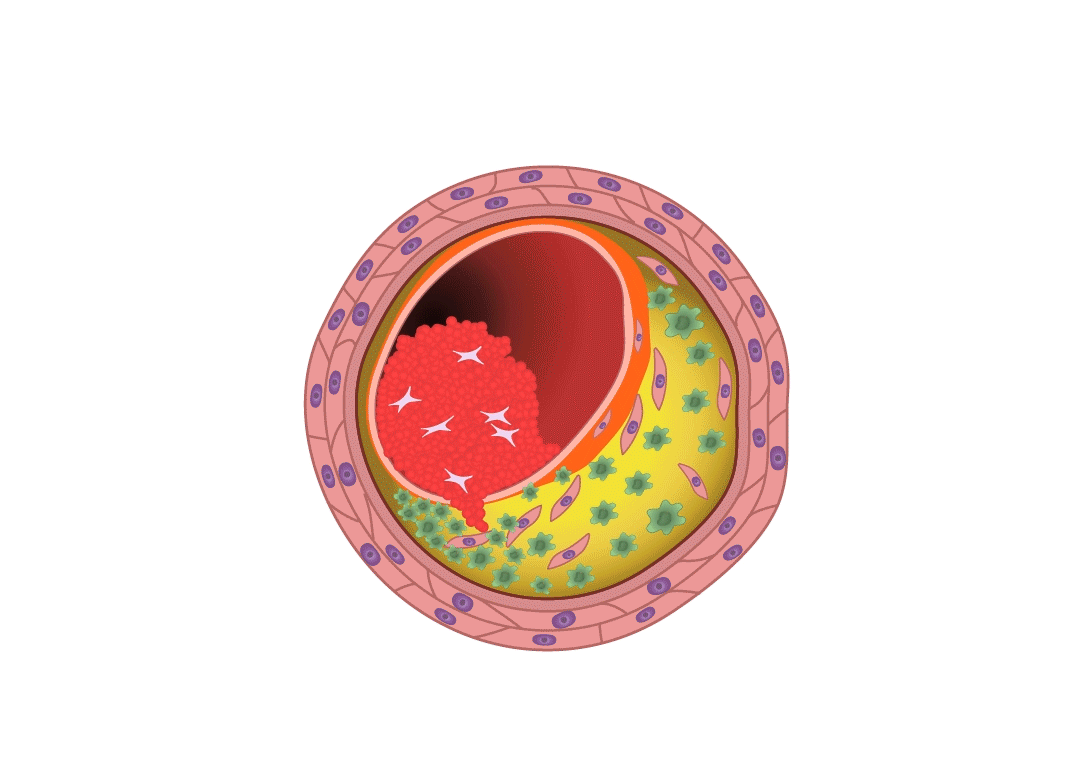 Study Guide
Clinical Pathophysiology I Exam 2 Study Guide
Lectures 6 and 7 so far. Cardiac — coronary heart disease as supply against demand, lipoproteins, the plaque sequence and what makes a plaque vulnerable, the angina types, the infarction timeline and territory, every valve lesion by timing, rheumatic and infective endocarditis, the three cardiomyopathies and the pericardium. Vascular — wall layers and capillaries, the neointimal injury response, vessel size predicting disease, blood pressure and renin–angiotensin, arteriosclerosis, aneurysm against dissection, vasculitis, Raynaud, varicosities and deep vein thrombosis. Every syllabus objective, answered in order. Mechanism throughout, never management.
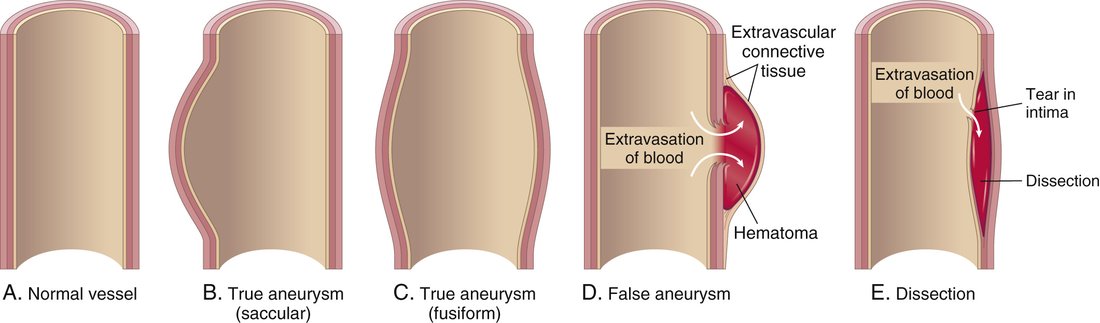 Cram Sheet
Clinical Pathophysiology I Exam 2 Cram Sheet
The night-before condensation of Lectures 6 and 7: ischemia and its causes, lipoproteins and plaque, angina and the infarction timeline, valve lesions by timing, myocardial and pericardial disease, then vessel structure, the injury response, blood pressure, arteriosclerosis, aneurysm and dissection, and the veins.
Interpretation of Medical Literature
Exam 1 2
Medical Literature Study Guide
All eleven decks for sessions 1–4 and 7–10, each instructional objective verbatim and answered in order. Bias & validity — the epidemiologic data sources, the alternatives to evidence by name, all ten biases with their examples, chance versus bias and the test that separates them, internal against external validity. Evidence — Sackett and Cochrane, both clinical studies pyramids with the filtered/unfiltered split, the USPSTF certainty levels and grades A–D and I, the ABCD method, the databases. Study design — qualitative against quantitative, the descriptive/analytic and experimental/observational axes, and cross-sectional, case-control, cohort and randomized trials in detail. Rates — every mortality rate with its numerator and denominator, incidence against prevalence including which is larger in chronic and acute disease, sampling, surveillance and outbreak investigation. Data & variation — the three levels of measurement, content/criterion/construct validity, all the kinds of variation, distribution and dispersion, and the normal/abnormal boundary. Tests — the 2×2 table lettered and formulaic, SnOUT and SpIN, why predictive values move with prevalence and likelihood ratios do not, the LR bands with their rule-of-thumb shifts, the worked Centor example, and parallel against serial testing. Sessions 7–10 — risk and ratios, prognosis and survival, prevention and screening, trials, statistics and causation, and systematic reviews.
Cram SheetMedical Literature Cram Sheet
The night-before condensation of all twelve topics: the ten biases with what distinguishes each, bias against chance and the test that separates them, the evidence pyramid with the filtered split, the USPSTF certainty levels and all five grades, every study design with what defines its groups and which direction it looks, every mortality rate with its numerator and denominator, incidence against prevalence in chronic and acute disease, the three data types, the three validities, all the kinds of variation, and the whole of test interpretation — the 2×2 lettered, SnOUT and SpIN, the prevalence effect on predictive values, both likelihood ratio formulas with the band table and its rule-of-thumb shifts, the Centor worked example, and parallel against serial testing. It now also covers risk and ratios, prognosis, prevention and screening, trials, statistics and causation, and systematic reviews.
Physiology
 Study Guide
Physiology Exam 1 Study Guide
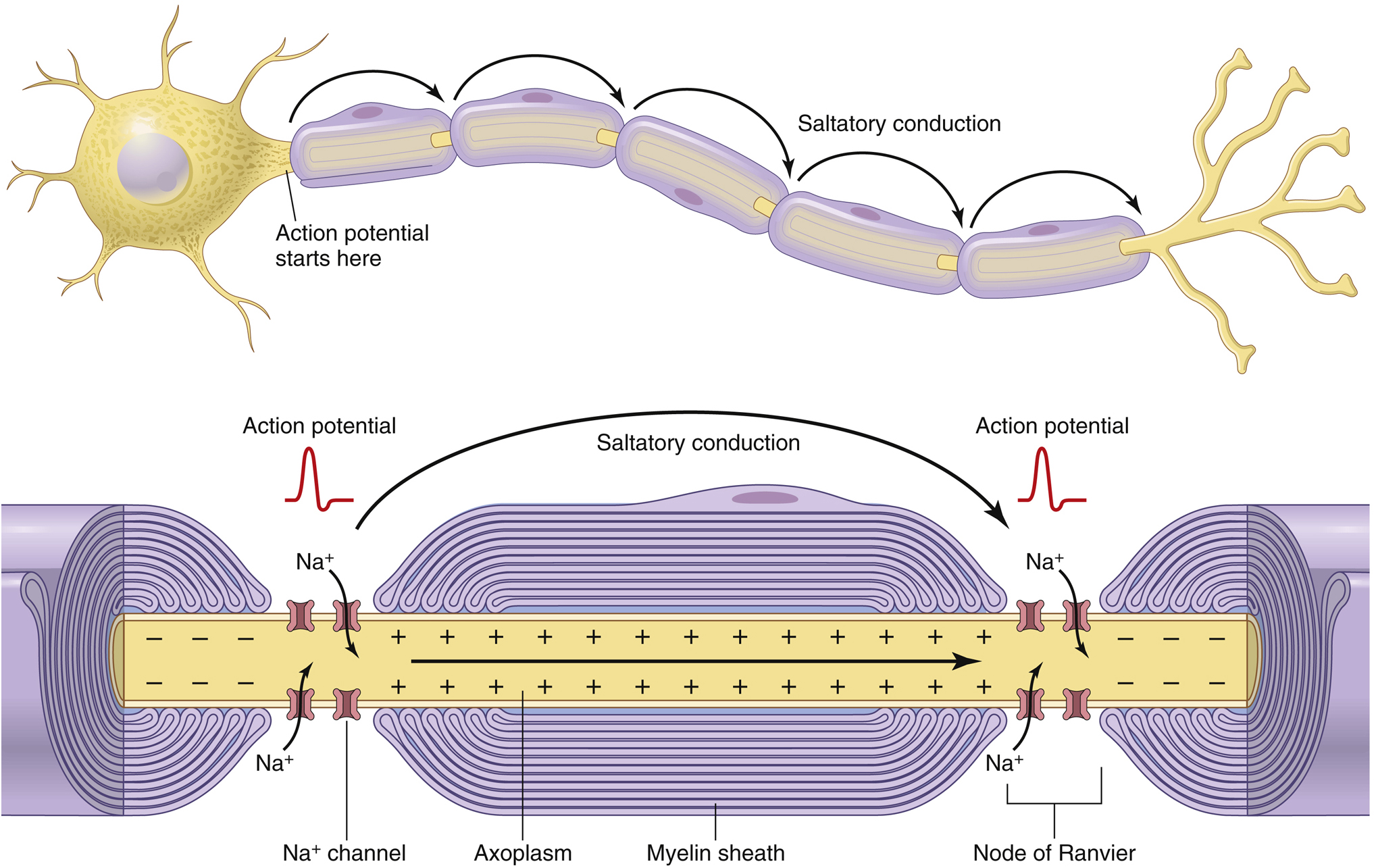
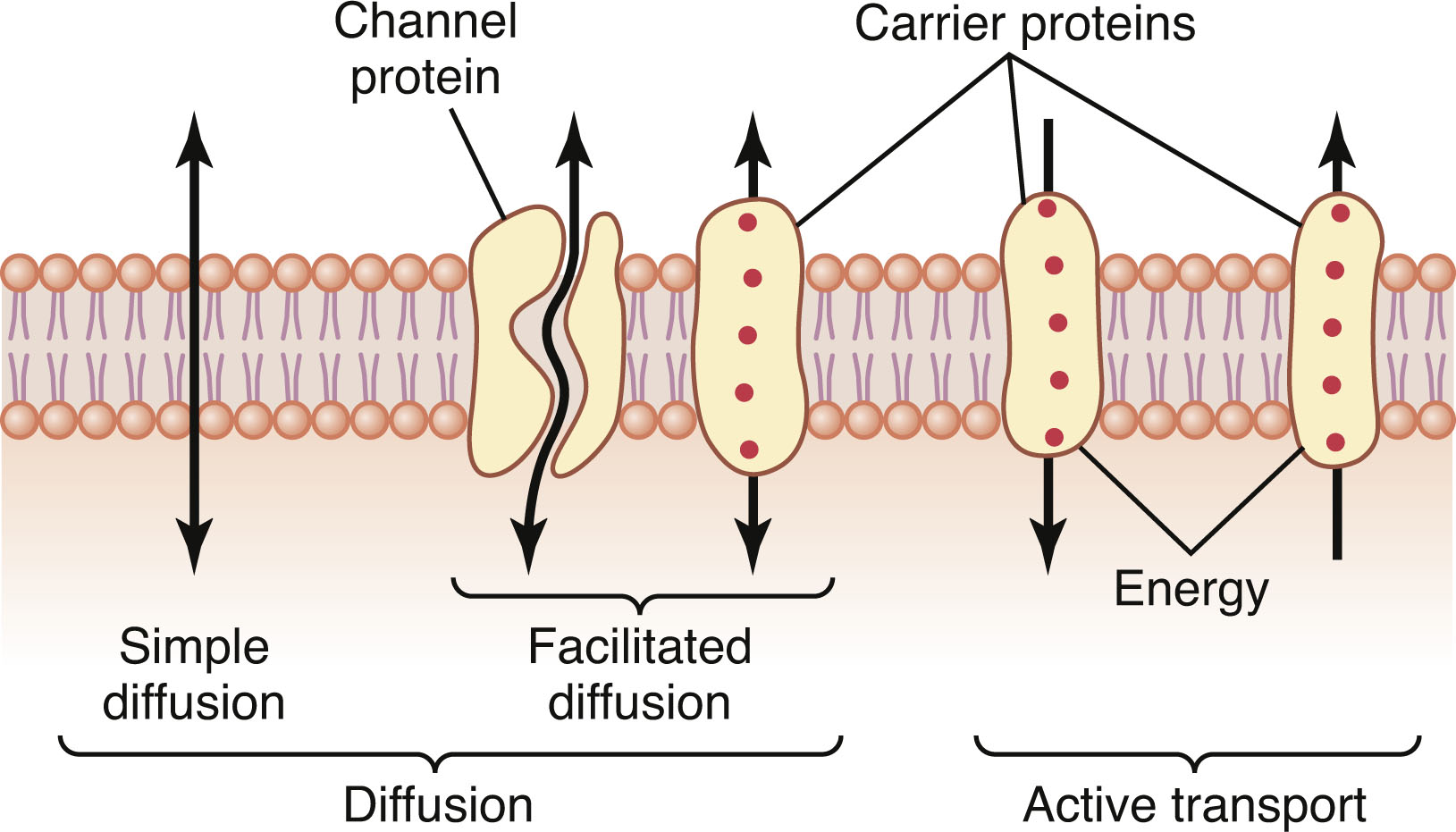
Cell Physiology & Membranes, Membrane Potentials & Action Potentials (with muscle physiology), Nervous System Sensory & Motor divisions, and Central Nervous System Function — homeostasis, transport, EC coupling, somatosensory pathways, reflexes, the cerebellum/basal ganglia, the ANS, and memory/the limbic system, with figures and objective-by-objective coverage.
 Cram Sheet
Physiology Exam 1 Cram Sheet
Every topic condensed to its highest-yield facts — a night-before companion to the full guide above, not a replacement for it.
 Study Guide
Physiology Exam 2 Study Guide
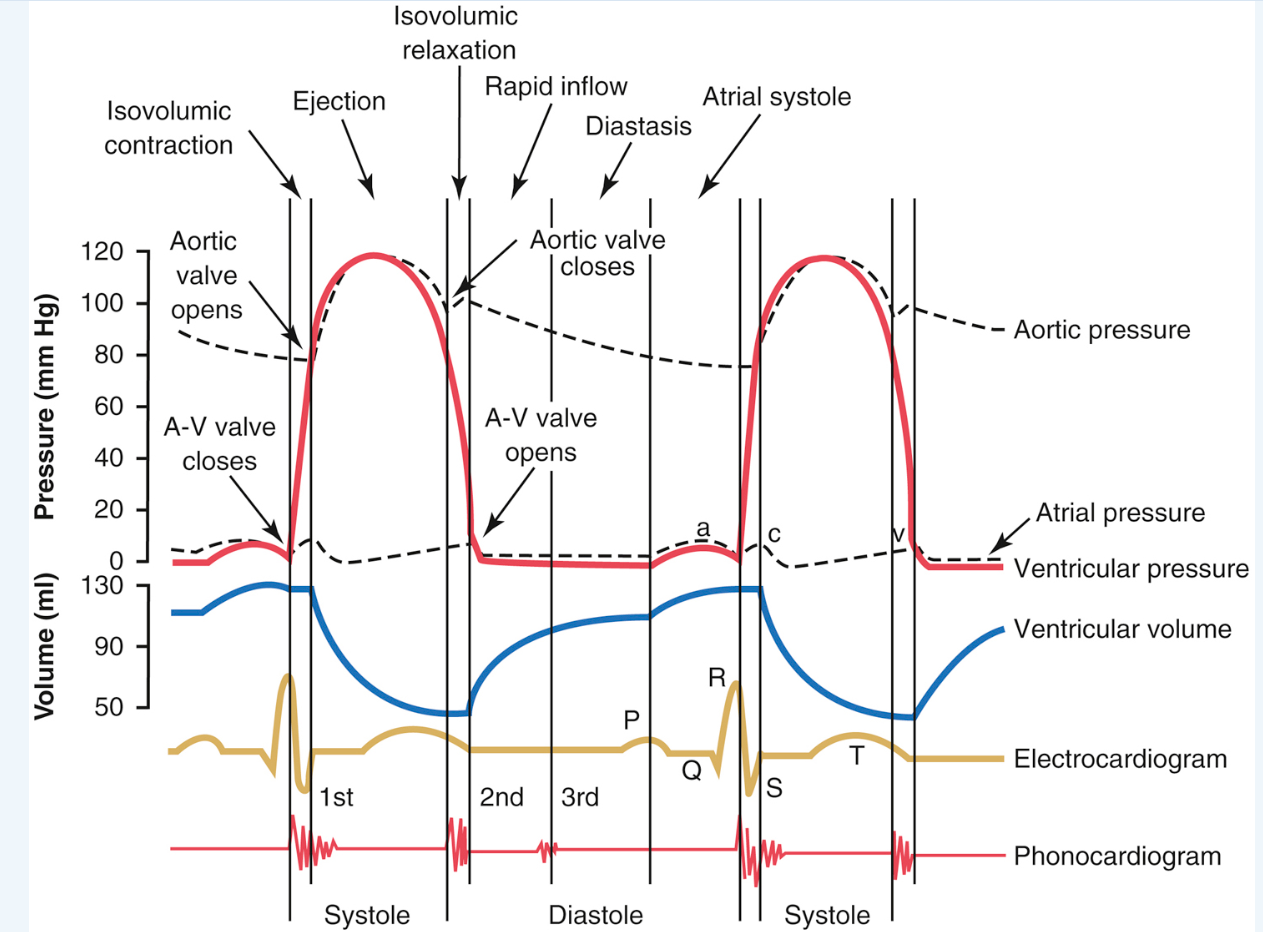
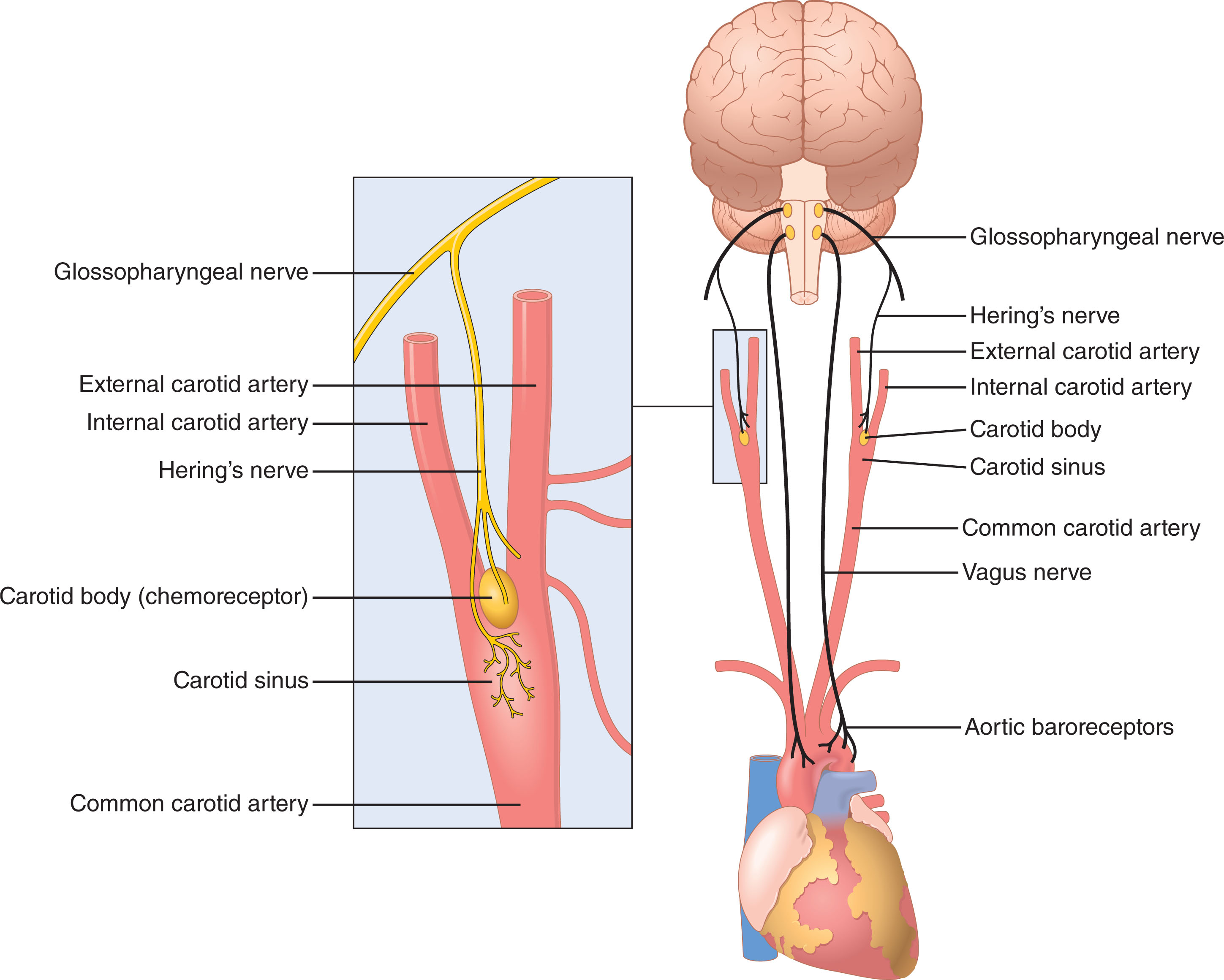
Hearing/Taste/Smell, Cardiac Physiology, Circulatory Physiology I & II, and Physiology of Vision — cochlear mechanics, the cardiac cycle & conduction system, Starling forces & local blood flow control, the renin-angiotensin system & baroreceptor reflex, and phototransduction/the visual pathway, with figures and objective-by-objective coverage.
 Cram Sheet
Physiology Exam 2 Cram Sheet
Every topic condensed to its highest-yield facts — a night-before companion to the full guide above, not a replacement for it.
Study GuidePhysiology Exam 3 Field Guide
All 7 systems — Hemostasis, Immunology, GI, Metabolism & the Liver, Nutrition & Thermoregulation, and Respiration I & II — with figures and objective-by-objective coverage.
Cram SheetPhysiology Exam 3 Cram Sheet
All 7 systems condensed to their one-glance recap facts — a night-before companion to the full guide above, not a replacement for it.
 Study Guide
Physiology Exam 4 Study Guide
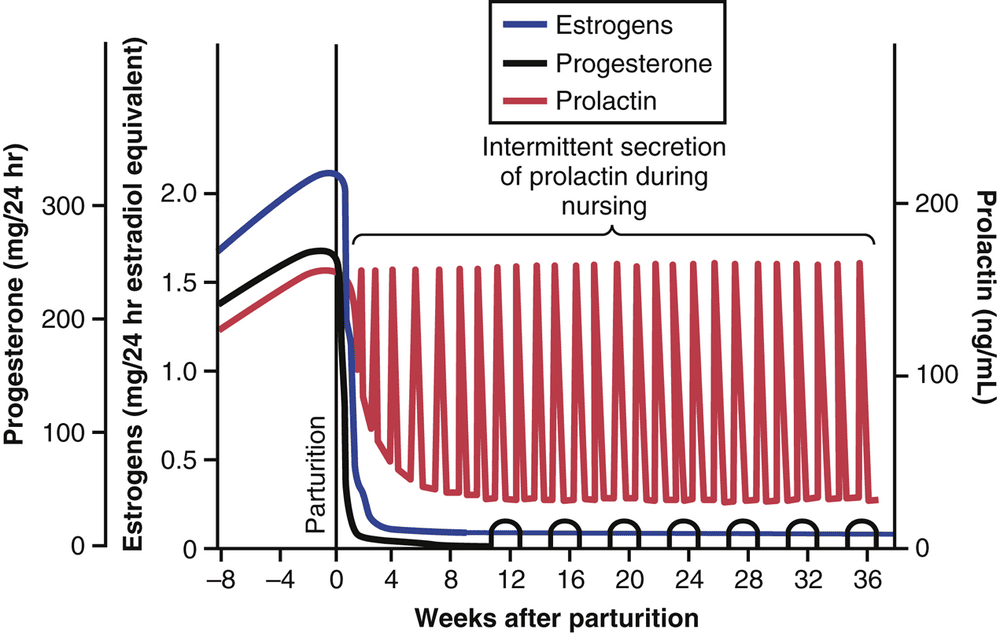
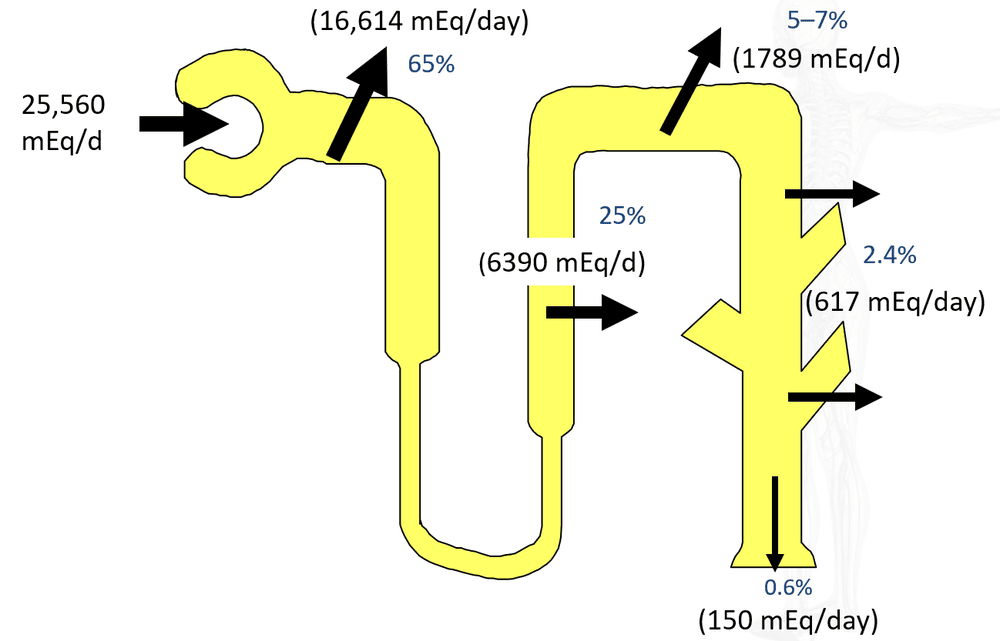
Endocrine & Renal Physiology — Endocrine I (pituitary & thyroid), Endocrine II (adrenal, pancreas, calcium/PTH), Endocrine III (male & female reproduction, pregnancy, lactation), Renal I (glomerular filtration & GFR), and Renal II (tubular reabsorption, countercurrent system, RAAS, acid-base) — with 50 fully explained slide figures, objective-by-objective.
 Cram Sheet
Physiology Exam 4 Cram Sheet
Every topic condensed to its highest-yield facts — a night-before companion to the full guide above, not a replacement for it.
Quick ReferencePhysiology Exam 3 Hormones
Quick-reference tables for every hormone — where it's formed, stored, its release stimulus, effect, and target. GI endocrine (gastrin, CCK, secretin, GIP, motilin) and paracrine (somatostatin, histamine) hormones, plus insulin, glucagon, epinephrine, cortisol, growth hormone, thyroxine, leptin, ghrelin, and erythropoietin.
Anatomy
 Study Guide
Anatomy Exam 1 Guide
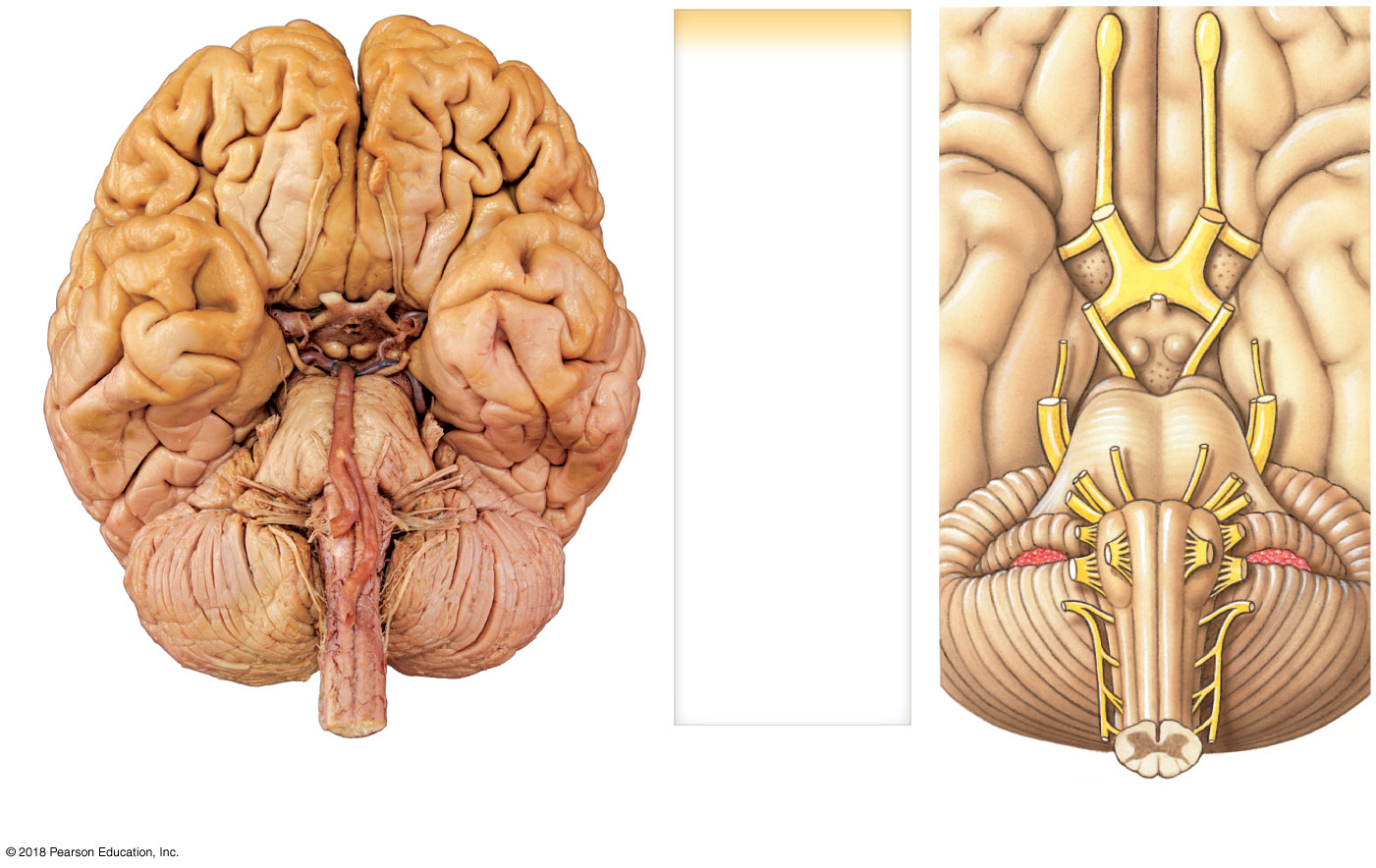
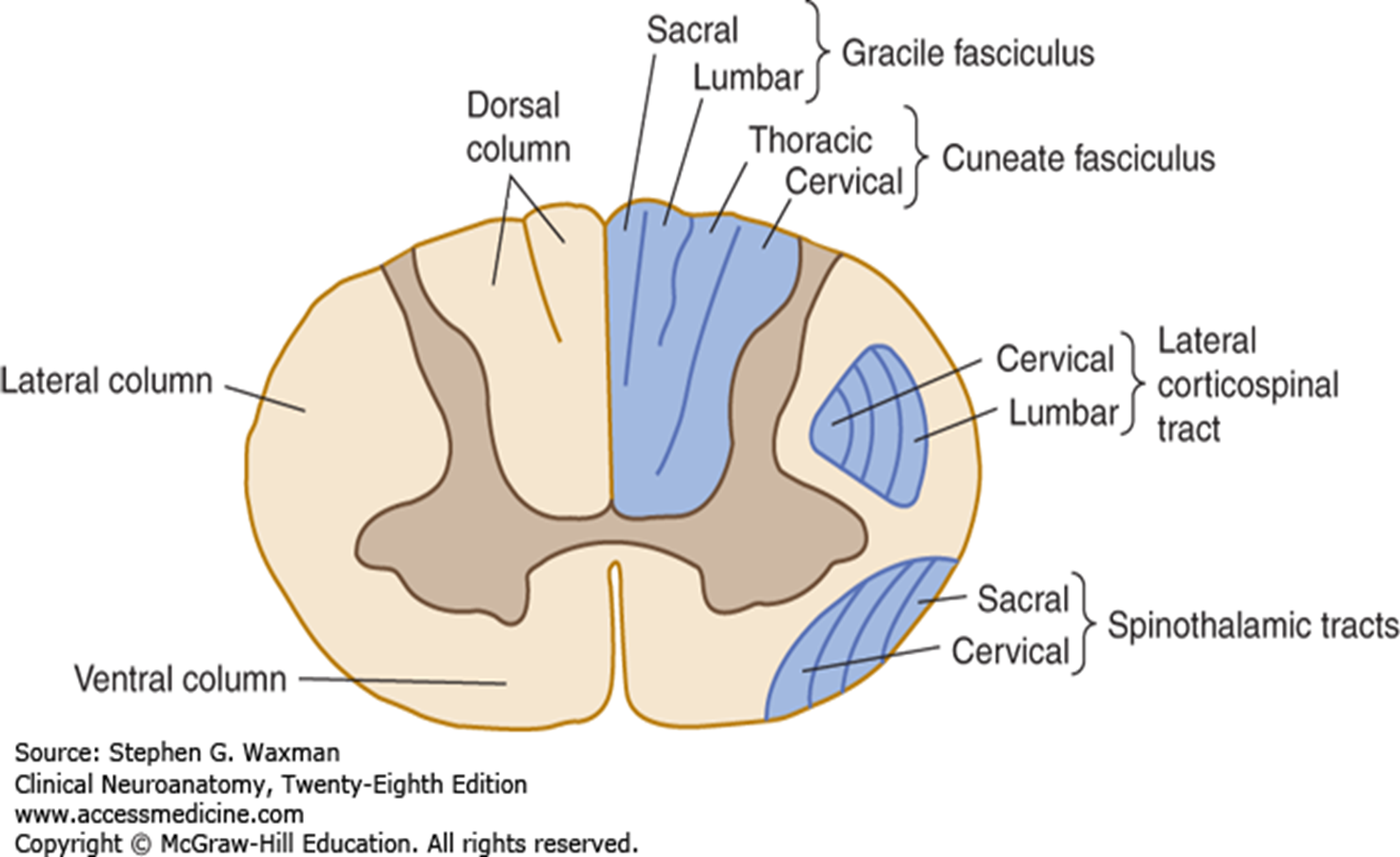
Intro to Anatomy, Histology, Brain and ANS, Nervous Tissue & Cerebral Blood Flow, Spinal Cord & Sensory Receptors, and Peripheral/Cranial Nerves — terminology, tissue types, brain divisions, CNS vasculature, and all twelve cranial nerves, with figures and objective-by-objective coverage.
 Cram Sheet
Anatomy Exam 1 Cram Sheet
Every topic condensed to its highest-yield facts — a night-before companion to the full guide above, not a replacement for it.
 Study Guide
Anatomy Exam 2 Guide
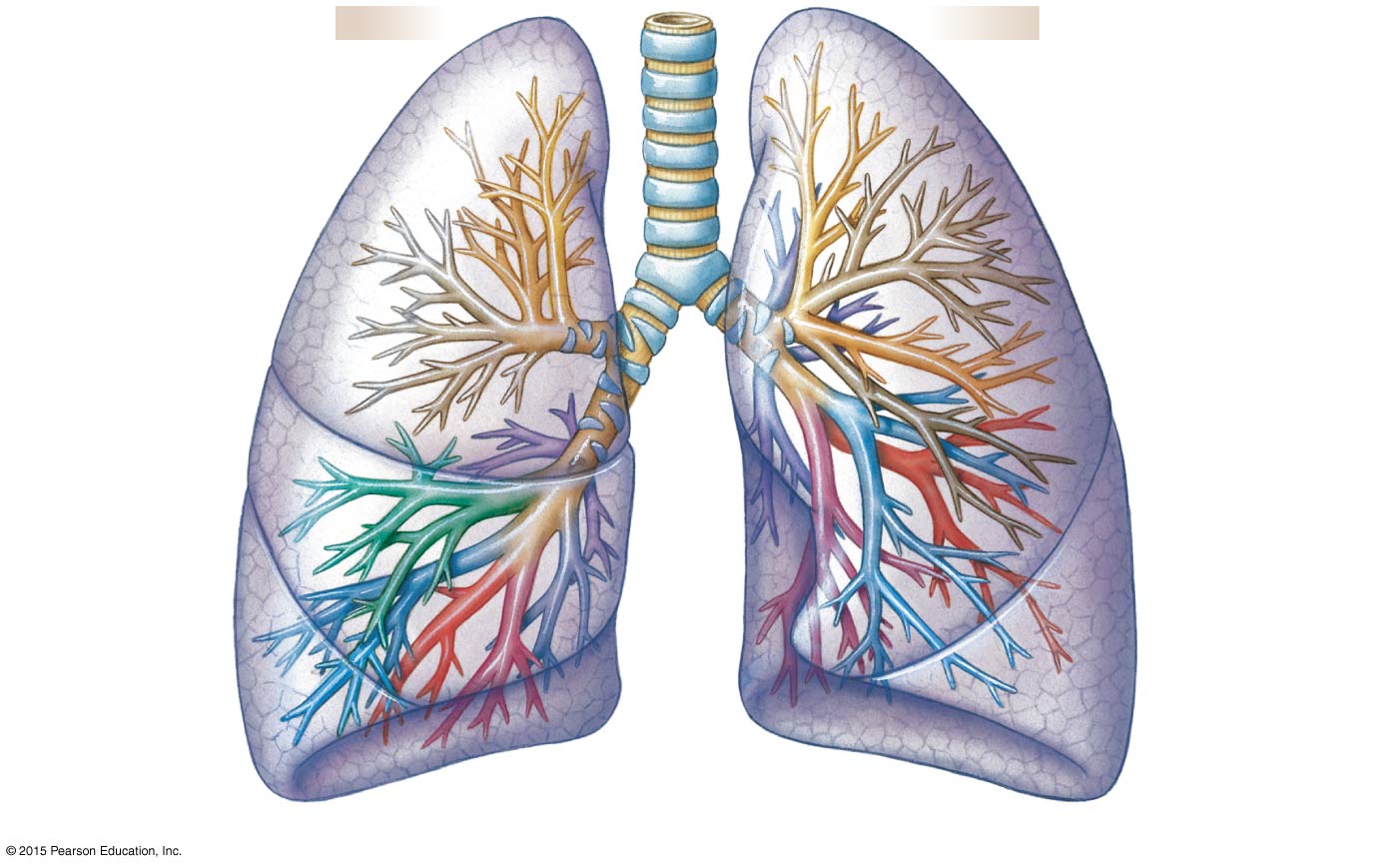
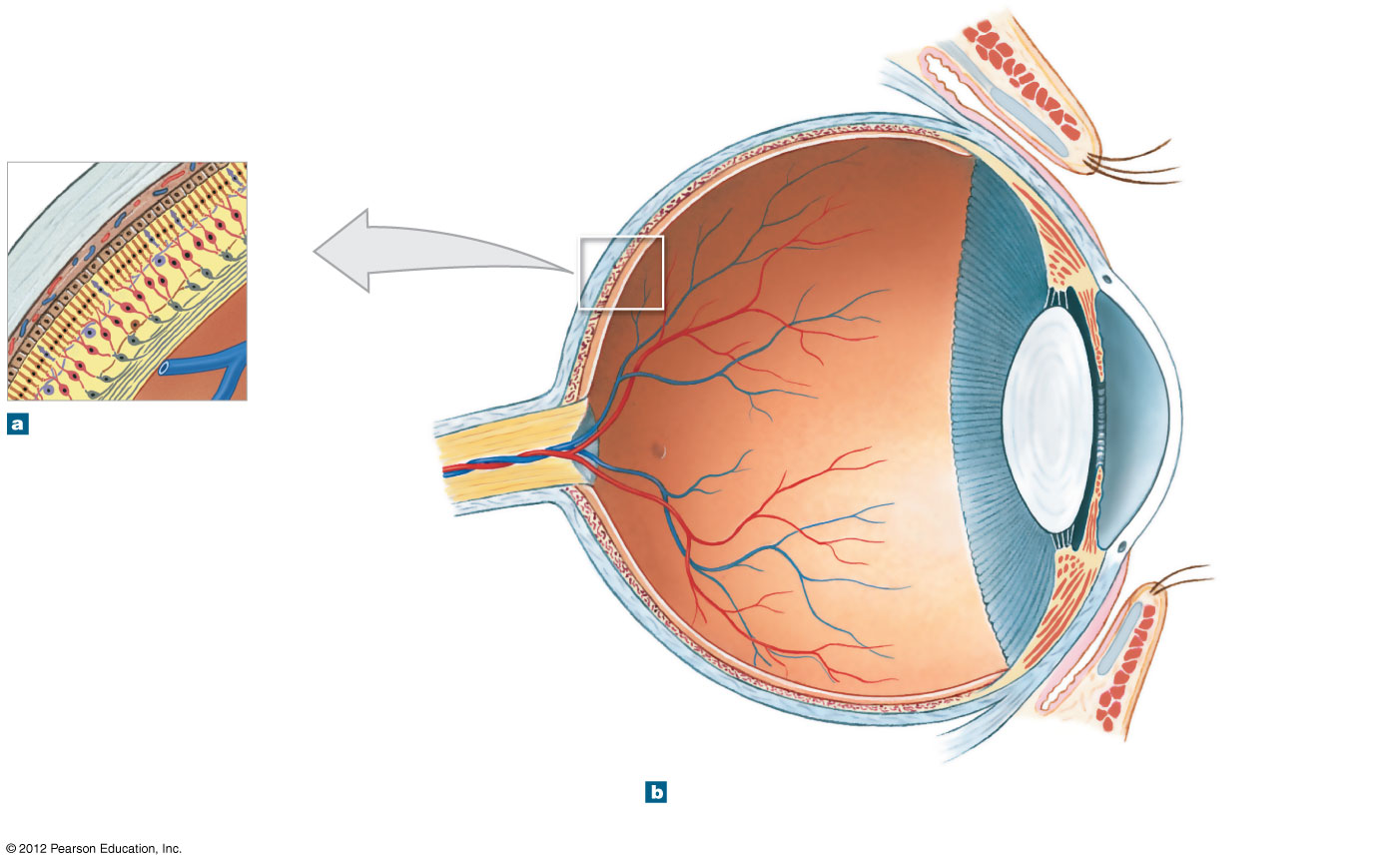
Integumentary System, Eye and Ear Anatomy, Heart and Great Vessels, Arteries/Veins/Lymphatics, and Pulmonary Anatomy — skin layers, special-sense organs, cardiac conduction & the aorta's full branching, vessel histology, and the respiratory tract, with figures and objective-by-objective coverage.
 Cram Sheet
Anatomy Exam 2 Cram Sheet
Every topic condensed to its highest-yield facts — a night-before companion to the full guide above, not a replacement for it.
 Study Guide
Anatomy Exam 3 Guide
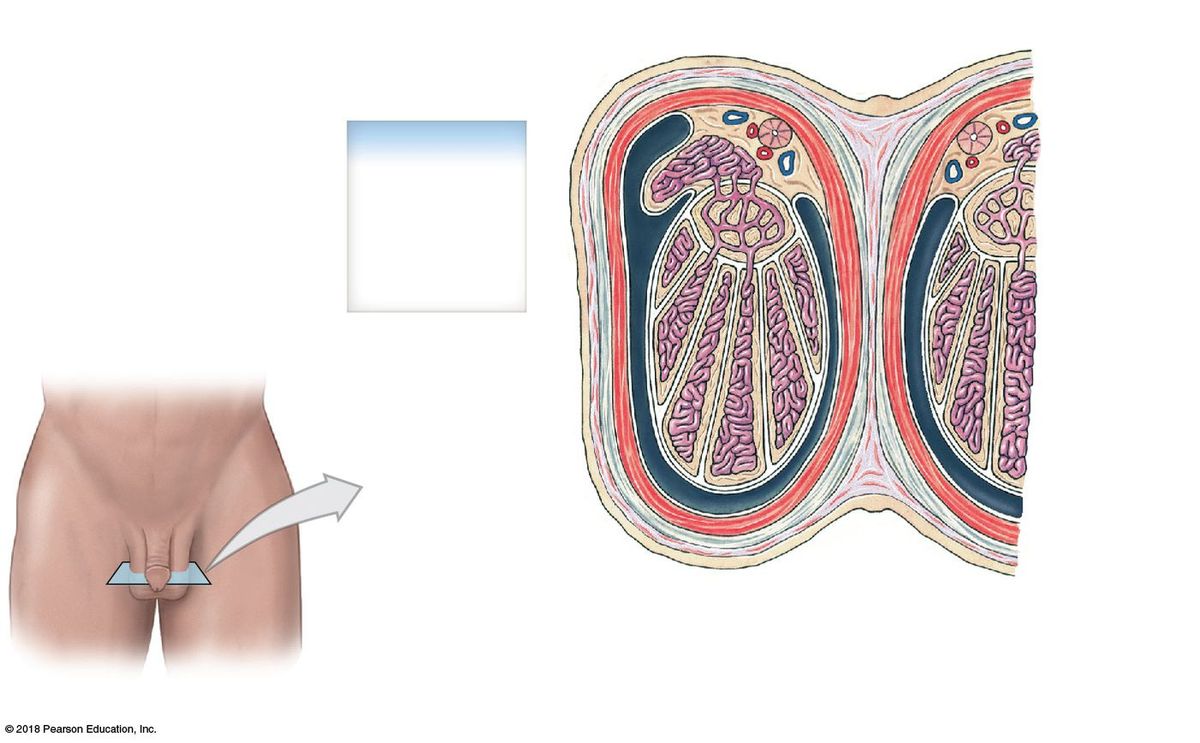
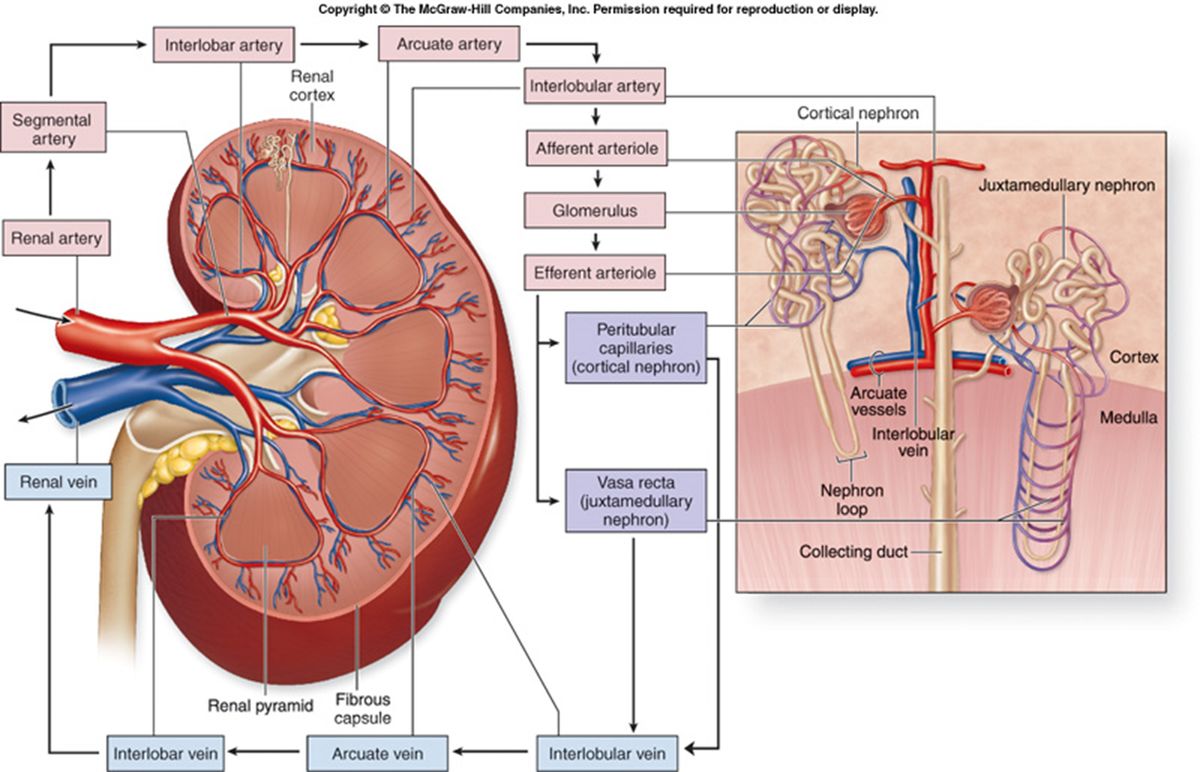
Gastrointestinal, Endocrine, Male & Female Reproductive, and Urinary/Nephrology (kidney) — organs, relationships, blood supply, innervation, and histology, objective-by-objective.
 Cram Sheet
Anatomy Exam 3 Cram Sheet
Every topic condensed to its highest-yield facts — a night-before companion to the full guide above, not a replacement for it.
 Study Guide
Anatomy Exam 4 Guide
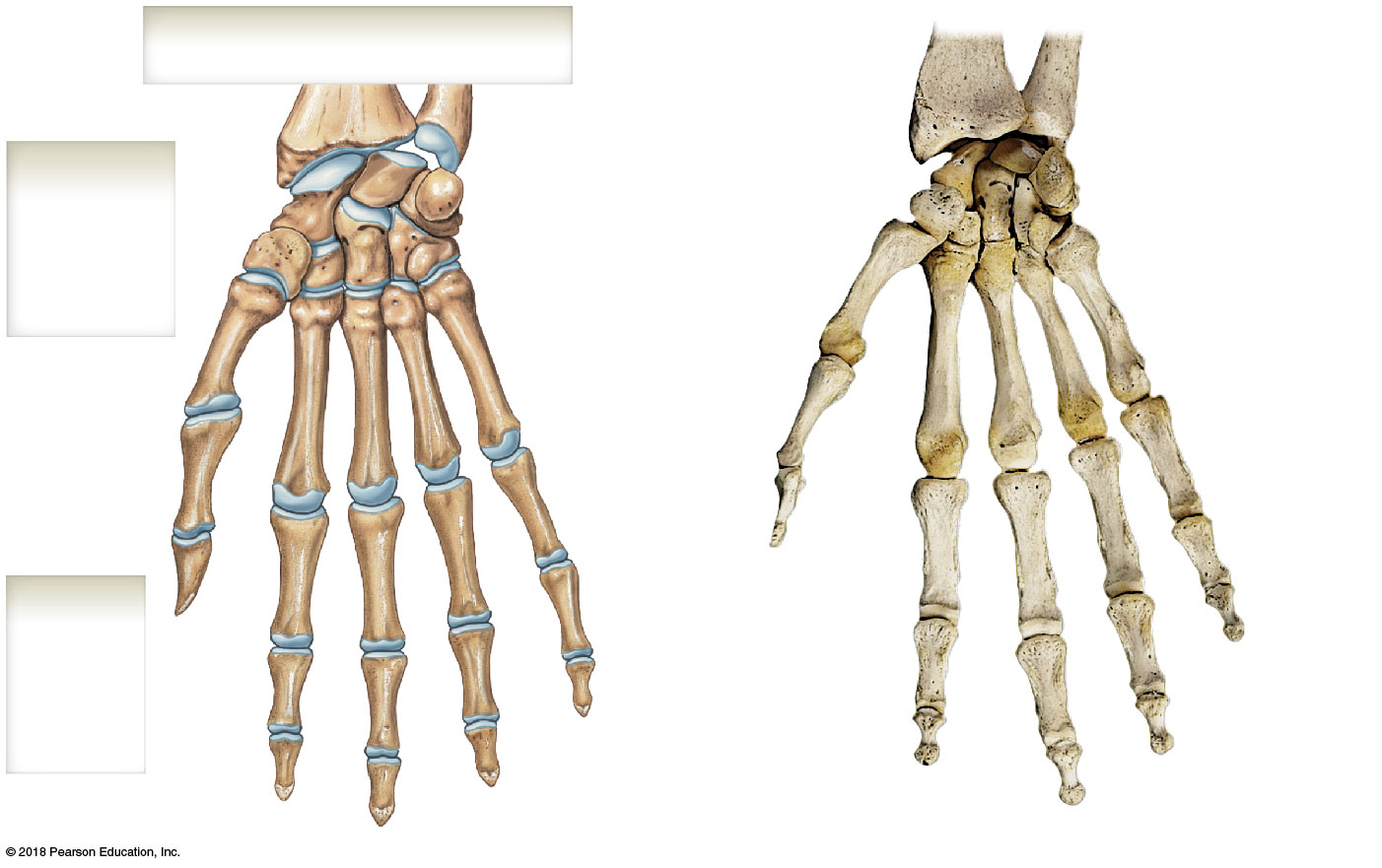
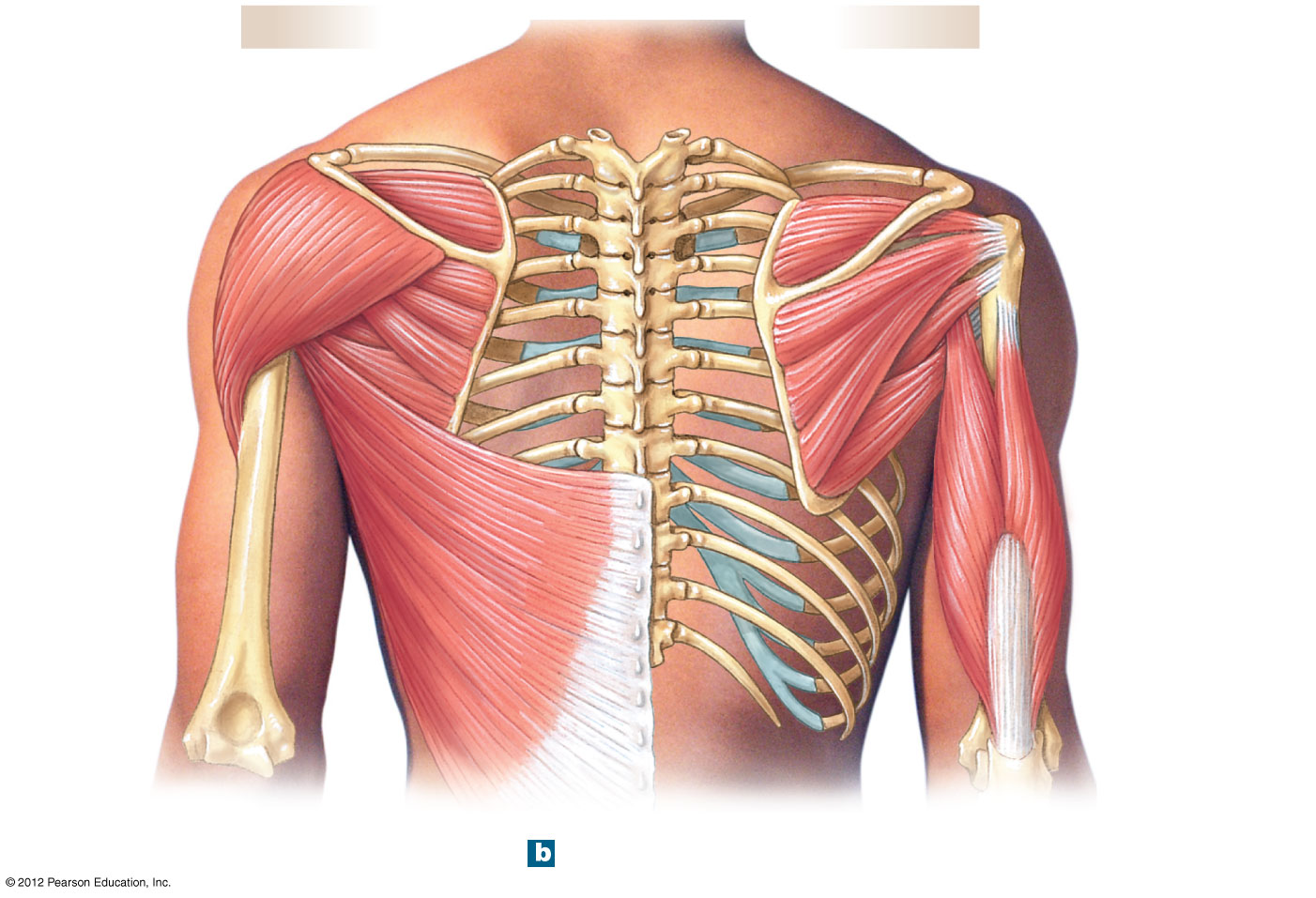
Appendicular Skeleton, Axial Skeleton, Appendicular Musculature, and Axial Musculature — bones, landmarks, cranial foramina, and muscle origins/insertions/actions/innervation, with labeled figures.
 Cram Sheet
Anatomy Exam 4 Cram Sheet
Every topic condensed to its highest-yield facts — a night-before companion to the full guide above, not a replacement for it.
Quick ReferenceAnatomy Exam 3 Blood Flow & Vasculature
Arterial supply, venous drainage, and lymphatics for every organ across Endocrine, GI, Female & Male Reproductive, and Nephrology/Urinary — plus the nephron, hepatic portal, and hypophyseal portal flow chains.
Quick ReferenceAnatomy Exam 3 Hormones
Quick-reference tables for every hormone across the exam — where it's made, whether/how it's stored, and what it acts on, kept strictly structural (no release triggers or feedback loops).
Quick ReferenceAnatomy Exam 3 Retroperitoneal vs. Intraperitoneal
Every organ across the exam classified as retroperitoneal, intraperitoneal, or extraperitoneal/subperitoneal, including the classic SAD PUCKER mnemonic.
Quick ReferenceAnatomy Exam 3 Key Flow Sequences
Step-by-step non-vascular pathways: filtrate & urine flow, bile & pancreatic juice flow, food/bolus transit, sperm flow, oocyte flow, lymphatic drainage to the venous system, and testicular descent.
Intro to PA Profession
Intro to PA Profession — Master Guide
History of the profession, PA organizations (ARC-PA, PAEA, NCCPA, AAPA, SAAAPA, PAF, FAPA), certification & licensure, reimbursement, Optimal Team Practice, interprofessional teamwork, clinical practice settings, professionalism & academic integrity, and difficult-conversation frameworks (NURSE, SPIKES, CUS/DESC, SHARE) — all 7 lecture decks plus quick-reference tables.
Cram SheetIntro to PA Profession Cram Sheet
Every topic condensed to its highest-yield facts — a night-before companion to the full guide above, not a replacement for it.
CAM/Nutrition
 Study Guide
CAM/Nutrition Exam 1 Study Guide
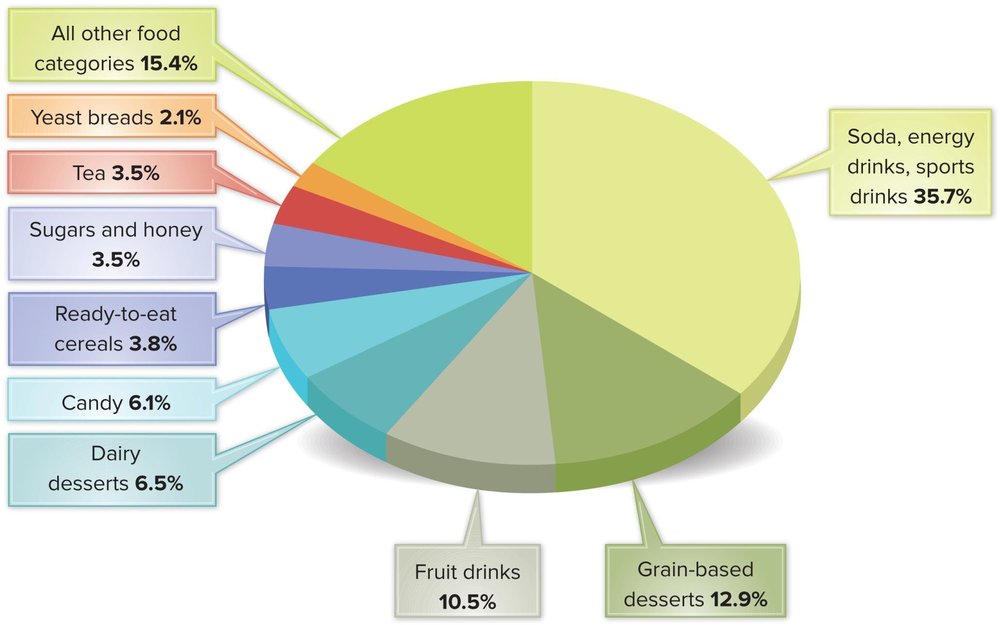
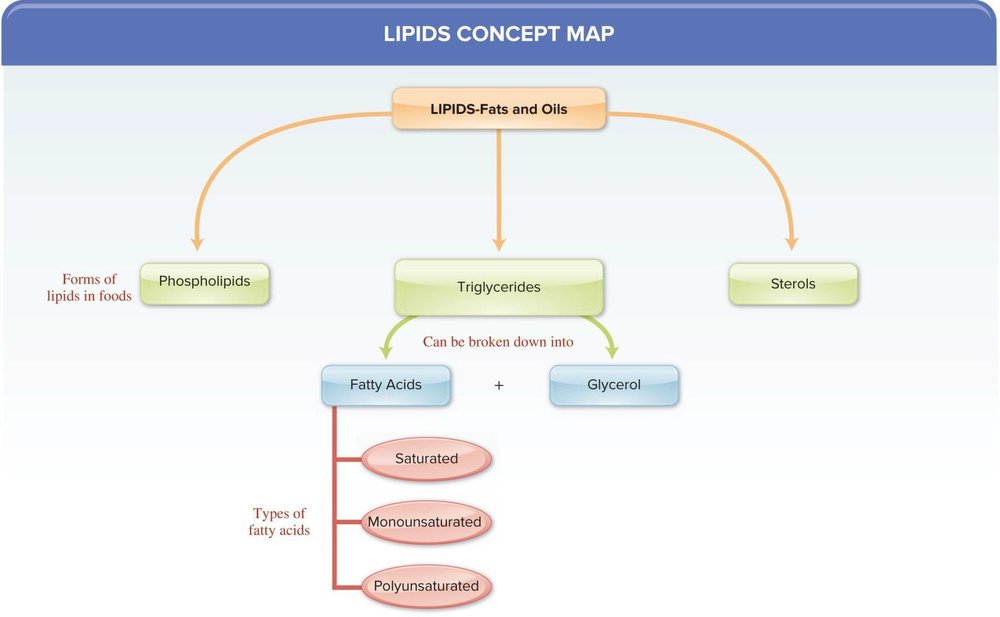
Human Nutrition (nutrient classes, kcal & calorie math, metric conversions, obesity & BMI, the Standard American Diet, MyPlate, and the Nutrition Facts label) and Macronutrients, Micronutrients & Water (carbohydrate metabolism & glycemic response, fiber, saturated/mono/polyunsaturated & omega-3/omega-6 fatty acids, lipoproteins & cardiovascular disease, protein balance & protein-calorie malnutrition, vegetarian/vegan diets, fat- & water-soluble vitamins, major & trace minerals, hydration, electrolytes, and the DASH diet) — with real slide figures and objective-by-objective coverage.
 Cram Sheet
CAM/Nutrition Exam 1 Cram Sheet
Every topic condensed to its highest-yield facts — a night-before companion to the full guide above, not a replacement for it.
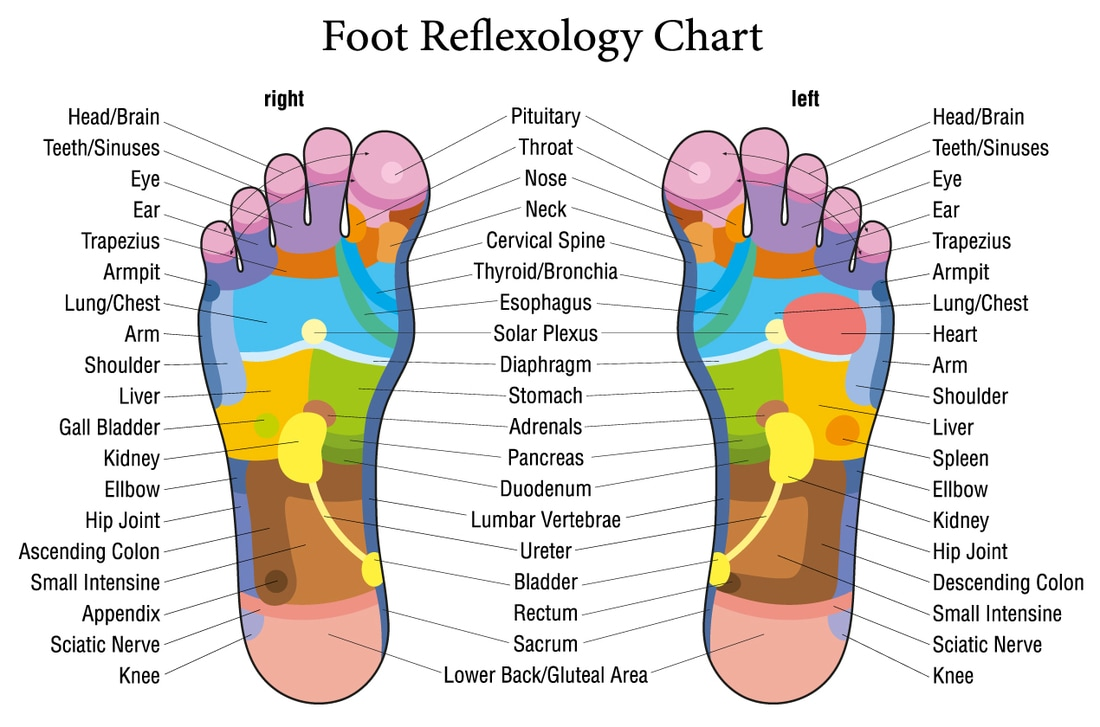 Study Guide
CAM/Nutrition Exam 2 Study Guide
Introduction to Complementary and Alternative Medicine — complementary vs alternative vs integrative vs functional medicine, the National Center for Complementary and Integrative Health, why patients use these approaches and the counseling checklist, and all five domains: whole medical systems (Ayurveda & the doshas, homeopathy, naturopathy, traditional Chinese medicine), mind-body medicine (biofeedback, guided imagery, hypnosis, meditation, relaxation therapy), biologically based practices (botanicals, supplements, chelation, diet therapies), manipulative and body-based practices, and energy therapies — with slide figures and objective-by-objective coverage.
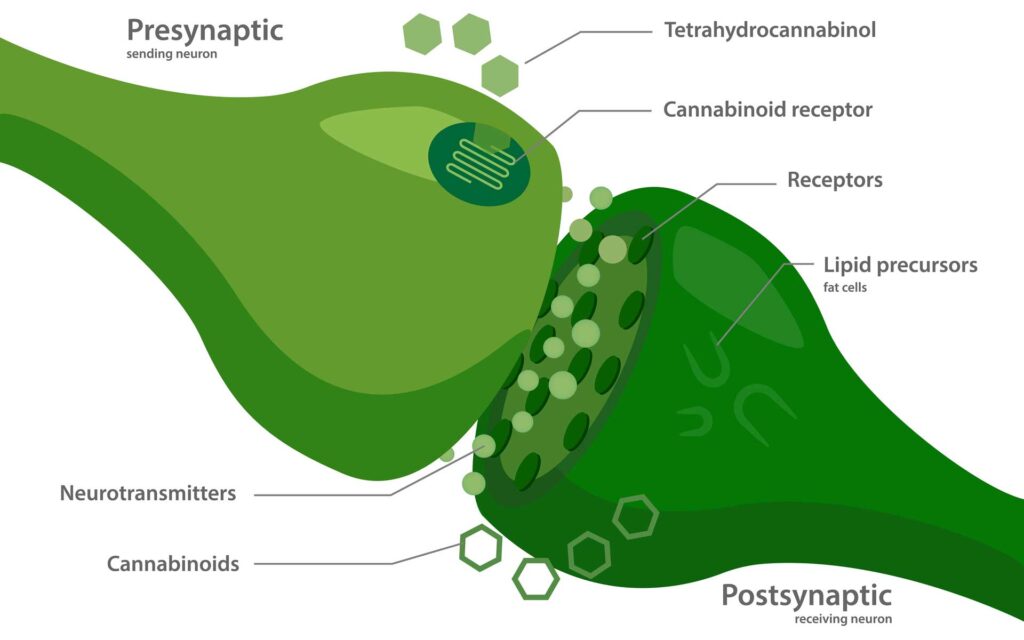 Cram Sheet
CAM/Nutrition Exam 2 Cram Sheet
Every topic condensed to its highest-yield facts — a night-before companion to the full guide above, not a replacement for it.
Physical Diagnosis 1
Physical Diagnosis 1 Exam 2 Study Guide
All 9 Exam 2 topics: Anus & Rectum, Male GU (genitourinary) & Prostate, Abdominal Exam, Lung & Thorax Exam, Skin/Hair/Nail Exam, Eye Exam, General Survey & Vital Signs, Cardiovascular & Peripheral Vascular Exam, and HENT (Head, Ears, Nose, Throat) — technique-focused coverage of history, positioning, inspection/palpation/percussion/auscultation, and normal vs. abnormal findings for each system, with quick-reference tables and test-yourself questions per section.
Cram SheetPhysical Diagnosis 1 Exam 2 Cram Sheet
Every exam topic condensed to its highest-yield technique and findings — a night-before companion to the full guide above, not a replacement for it.
 Study Guide
Physical Diagnosis 1 Exam 3 Study Guide
Pelvic Exam (Female Genitalia) and Breast Examination — genital/breast anatomy, lymphatic drainage, Tanner staging, exam preparation and positioning, and full technique for external/speculum/bimanual/rectovaginal and breast inspection/palpation exams, with quick-reference tables and test-yourself questions.
 Study Guide
MSK with Images for Palpations
Musculoskeletal Exam — every palpation landmark on the MSK lab checksheet mapped onto labeled photographs, joint by joint: temporomandibular joint, cervical spine, thoracic/lumbar spine, shoulder, elbow, wrist and hand, hip, knee, and ankle and foot. Includes what your fingers should feel at each landmark, the range-of-motion movements required, and the full 94-item checklist in order.
 Cram Sheet
Physical Diagnosis 1 Exam 3 Cram Sheet
Every exam topic condensed to its highest-yield technique and findings — a night-before companion to the full guide above, not a replacement for it.
Quick ReferenceCombined Head-to-Toe Checksheet
All nine Physical Diagnosis I lab checksheets merged into a single top-down sequence, de-duplicated and re-ordered, with the cranial nerve exam distributed into the regional exams that already test it. Every graded item present exactly once, tagged spoken or hands-on, with the exact words to say. Ticks persist and it prints.
Remediation
Anatomy Remediation (Excludes exam 1 content)
Exam 2, Exam 3 and Exam 4 review documents combined into one, in exam order — 98 pages of typed outlines with diagrams. Review Exam 1 neuro content separately. Readable in the site, with the PDF available to download.
RemediationPhysiology Remediation
Fourteen pages of handwritten review notes, colour-coded and diagrammed, shared by Sydnee. Covers cardiovascular, blood, respiration, acid–base, gastrointestinal/metabolism/nutrition, endocrine (parathyroid and pancreas), reproductive, neuro intro, vision and special senses, and motor/involuntary control — each with its weighting. Readable in the site, with the PDF available to download.